

Women's Nutrition & Meal Planning: Your Complete Guide to Optimal Health in 2025
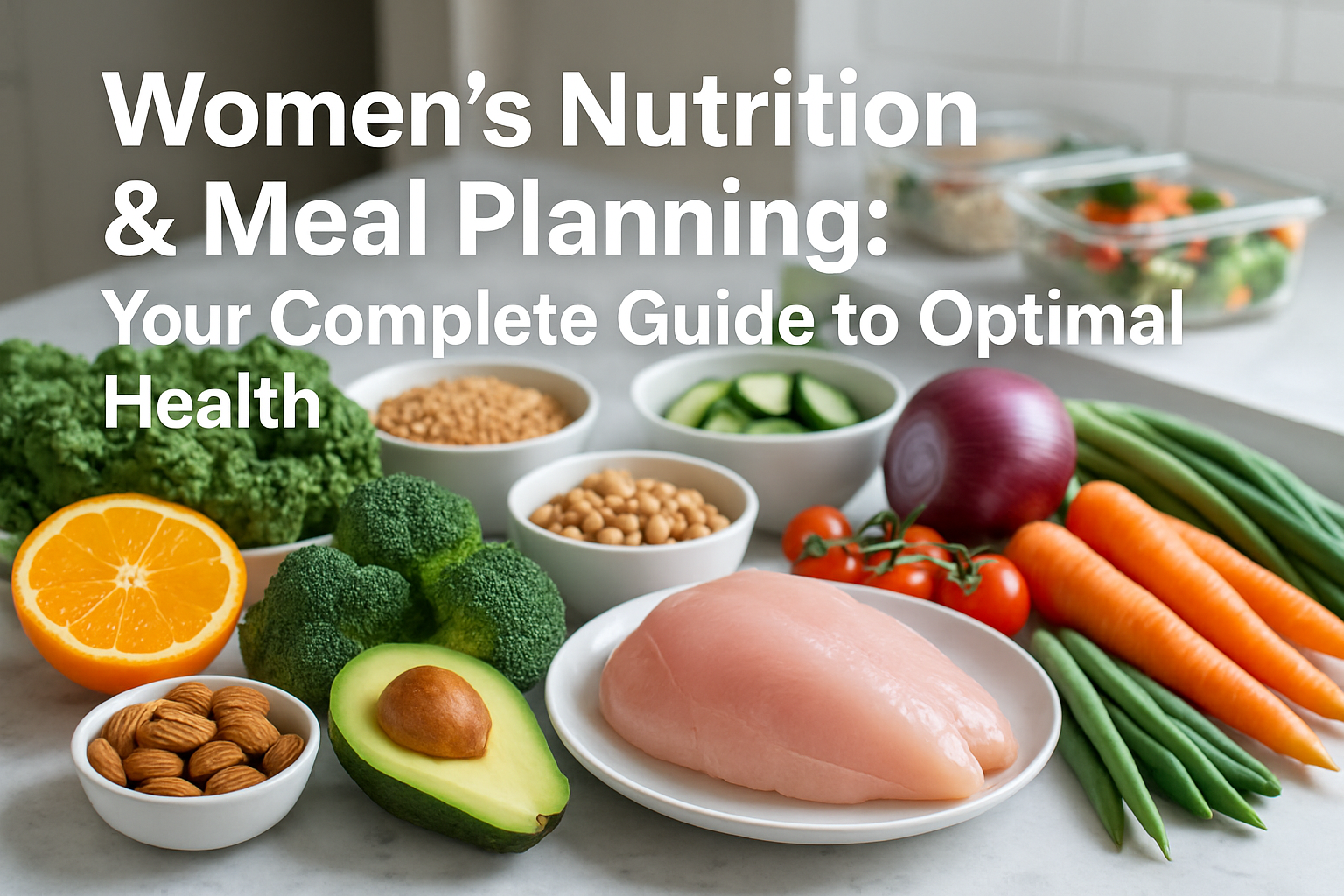
Have you ever wondered why that diet plan that worked wonders for your male colleague left you feeling exhausted and frustrated? The truth is, women's bodies have unique nutritional needs that require a completely different approach to meal planning and nutrition. Understanding these differences isn't just helpful—it's essential for achieving lasting health and vitality.
Women's nutrition and meal planning goes far beyond simply counting calories or following the latest trend. Our hormonal fluctuations, bone density requirements, iron needs, and metabolic patterns create a complex nutritional landscape that demands specialized attention. Whether you're navigating the demands of your reproductive years, supporting your body through pregnancy, or optimizing your health during menopause, the right nutritional strategy can transform how you feel every single day.
Key Takeaways
• Women require 18mg of iron daily (compared to 8mg for men) due to menstrual cycles, making iron-rich meal planning crucial for energy and health
• Hormonal fluctuations throughout the menstrual cycle affect nutrient needs, with increased protein and healthy fat requirements during the luteal phase
• Calcium and vitamin D needs are significantly higher for women to support bone health, especially after age 30 when bone density naturally begins to decline
• Strategic meal timing and macronutrient balance can help regulate hormones, stabilize energy levels, and support optimal metabolism
• Meal planning tailored to life stages (reproductive years, pregnancy, menopause) ensures women get the right nutrients when they need them most
Understanding Women's Unique Nutritional Needs
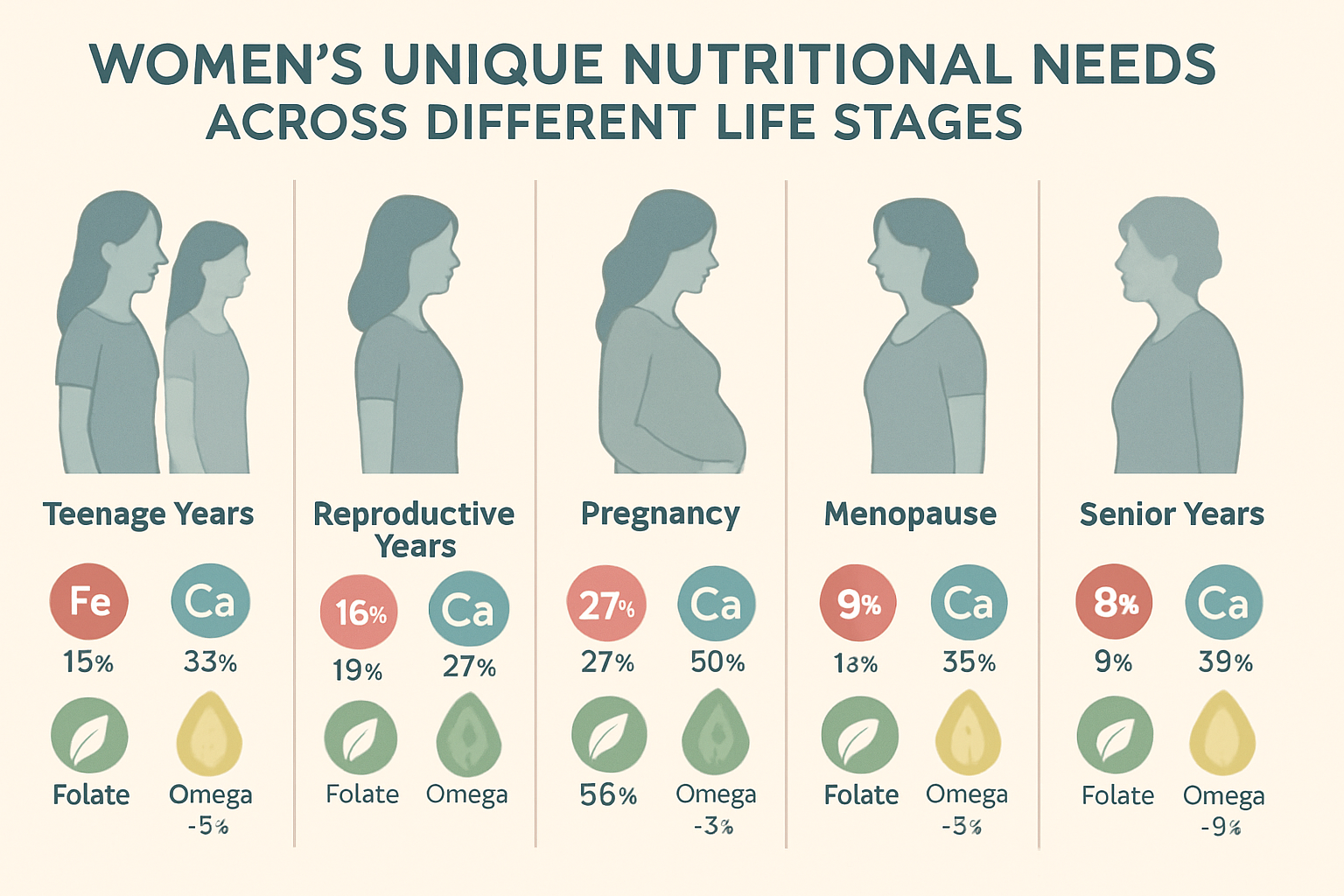
Women's bodies are incredibly complex, and our nutritional requirements reflect this complexity. Unlike men, we experience monthly hormonal fluctuations that directly impact our nutrient needs, energy levels, and even food cravings. Understanding these patterns is the first step toward creating an effective nutrition strategy.
Hormonal Influences on Nutrition 🌙
During the follicular phase (days 1-14 of your cycle), estrogen levels rise, and your body tends to be more insulin sensitive. This is an ideal time to include more complex carbohydrates in your meal planning. Conversely, during the luteal phase (days 15-28), progesterone dominates, and your body benefits from increased protein and healthy fats to support hormone production and stabilize blood sugar.
Essential Nutrients for Women
Iron stands out as perhaps the most critical nutrient for women of reproductive age. With monthly menstrual cycles, women need more than double the iron that men require. Iron deficiency affects nearly 20% of women and can lead to fatigue, weakness, and decreased cognitive function [1].
Calcium and Vitamin D work together to support bone health, which is particularly important for women. After age 30, women begin losing bone density at a rate of 1% per year, making adequate intake of these nutrients essential for preventing osteoporosis later in life [2].
Folate becomes crucial for women of childbearing age, as adequate levels before conception can prevent neural tube defects. Even if you're not planning to become pregnant immediately, maintaining optimal folate levels through proper nutrition is a wise investment in your future health.
Metabolic Considerations
Women typically have a higher percentage of body fat and lower muscle mass compared to men, which affects our metabolic rate. This doesn't mean we need to eat less—it means we need to eat smarter. Focusing on nutrient-dense foods and strategic meal timing can help optimize our naturally slower metabolism.
Creating Effective Meal Plans for Women's Health
Successful meal planning for women requires more than just organizing recipes for the week. It involves understanding your body's rhythms, planning for nutritional gaps, and creating sustainable systems that work with your lifestyle, not against it.
The Foundation: Balanced Macronutrients
A well-designed meal plan for women should include:
- Protein: 1.2-1.6 grams per kilogram of body weight daily
- Healthy Fats: 25-35% of total daily calories
- Complex Carbohydrates: 45-65% of total daily calories
- Fiber: 25 grams daily
Strategic Meal Timing
Breakfast should include protein and healthy fats to stabilize blood sugar and support hormone production. Think Greek yogurt with nuts and berries, or eggs with avocado and whole grain toast.
Lunch is your opportunity to pack in vegetables and lean protein. A large salad with grilled chicken, quinoa, and olive oil dressing provides sustained energy for the afternoon.
Dinner should be lighter but still satisfying, focusing on vegetables, lean protein, and a small portion of complex carbohydrates.
Weekly Meal Planning Template
| Day | Breakfast | Lunch | Dinner | Snacks |
|---|---|---|---|---|
| Monday | Greek yogurt parfait | Quinoa Buddha bowl | Grilled salmon with roasted vegetables | Apple with almond butter |
| Tuesday | Veggie omelet | Turkey and avocado wrap | Lean beef stir-fry | Hummus with carrots |
| Wednesday | Smoothie with protein powder | Lentil soup with side salad | Baked chicken with sweet potato | Mixed nuts |
| Thursday | Overnight oats with berries | Grilled chicken salad | Fish tacos with cabbage slaw | Greek yogurt |
| Friday | Avocado toast with egg | Leftover stir-fry | Vegetarian chili | Cheese and whole grain crackers |
This template can be adapted based on your preferences, dietary restrictions, and weight loss goals.
Prep Day Strategy
Dedicate 2-3 hours on Sunday to meal preparation. This includes:
- Washing and chopping vegetables for the week
- Cooking grains in bulk (quinoa, brown rice, farro)
- Preparing protein sources (grilled chicken, hard-boiled eggs, baked tofu)
- Making healthy snacks (energy balls, cut vegetables with hummus)
- Portioning meals into containers for grab-and-go convenience
Life Stage-Specific Nutrition Strategies
Women's nutritional needs evolve throughout our lives, and our meal planning should evolve accordingly. What works in your twenties may not serve you well in your forties, and understanding these changes helps you stay ahead of potential health issues.
Reproductive Years (20s-40s)
During your reproductive years, your body is working hard to maintain regular menstrual cycles and support potential pregnancy. This requires:
- Higher iron intake: Include red meat, spinach, lentils, and fortified cereals
- Adequate folate: Focus on leafy greens, legumes, and fortified grains
- Consistent protein: Support muscle maintenance and hormone production
- Omega-3 fatty acids: Reduce inflammation and support brain health
For women following a sustainable weight loss approach, it's crucial not to restrict calories too severely during this life stage, as it can disrupt hormonal balance.
Pregnancy and Breastfeeding
Nutritional needs increase significantly during pregnancy and breastfeeding:
- Calories: Additional 300 calories during pregnancy, 500 during breastfeeding
- Protein: Increase to 71 grams daily during pregnancy
- Calcium: 1,000mg daily to support fetal bone development
- Iron: 27mg daily during pregnancy (50% more than non-pregnant women)
Perimenopause and Menopause (40s-50s+)
As estrogen levels decline, women face new nutritional challenges:
- Calcium and Vitamin D: Increase to 1,200mg calcium and 600-800 IU vitamin D daily
- Phytoestrogens: Include soy products, flaxseeds, and legumes to help manage symptoms
- Antioxidants: Combat increased oxidative stress with colorful fruits and vegetables
- Healthy fats: Support brain health and hormone production
Women over 50 may benefit from specialized diet approaches that account for slower metabolism and changing hormone levels.
Post-Menopause
After menopause, focus shifts to:
- Heart health: Emphasize omega-3s, fiber, and plant-based proteins
- Bone preservation: Continue high calcium and vitamin D intake
- Brain health: Include antioxidant-rich foods and healthy fats
- Weight management: Adjust portions for slower metabolism
Practical Implementation and Success Tips
Creating a meal plan is one thing; sticking to it is another. Success comes from making your nutrition strategy as convenient and enjoyable as possible.
Smart Shopping Strategies 🛒
- Shop the perimeter of the grocery store first (produce, dairy, meat, fish)
- Buy seasonal produce for better taste and lower cost
- Stock up on pantry staples: quinoa, brown rice, canned beans, nuts, seeds
- Choose frozen vegetables as backup options—they're just as nutritious as fresh
- Read nutrition labels and choose products with minimal ingredients
Kitchen Tools for Success
Investing in the right tools makes meal planning infinitely easier:
- Glass meal prep containers for storing prepared meals
- Sharp knives for efficient vegetable preparation
- Slow cooker or Instant Pot for hands-off cooking
- Food scale for accurate portion control
- Blender for smoothies and soups
Overcoming Common Challenges
Time Constraints: Batch cooking on weekends and using quick cardio workouts can help you maintain healthy habits even with a busy schedule.
Budget Concerns: Focus on affordable protein sources like eggs, canned fish, and legumes. Buying in bulk and choosing seasonal produce can significantly reduce costs.
Family Preferences: Create base meals that can be customized. For example, make a large batch of quinoa and vegetables, then add different proteins and sauces for variety.
Cravings and Emotional Eating: Plan for treats within your overall nutrition strategy. Having healthy options readily available makes it easier to make good choices when cravings hit.
Tracking and Adjusting Your Plan
Keep a simple food diary for the first few weeks to identify patterns:
- Energy levels throughout the day
- Hunger and satisfaction after meals
- Sleep quality and how it relates to your eating patterns
- Exercise performance and recovery
Use this information to fine-tune your meal timing, portion sizes, and food choices. Remember, the best meal plan is one you can stick to long-term.
<!DOCTYPE html>
<html lang="en">
<head>
    <meta charset="UTF-8">
    <meta name="viewport" content="width=device-width, initial-scale=1.0">
    <title>Women's Daily Nutrition Calculator</title>
    <style>
        .cg-element-nutrition-calculator {
            max-width: 800px;
            margin: 20px auto;
            padding: 25px;
            background: linear-gradient(135deg, #f8f9fa 0%, #e9ecef 100%);
            border-radius: 15px;
            box-shadow: 0 8px 25px rgba(0,0,0,0.1);
            font-family: 'Arial', sans-serif;
        }

        .cg-element-title {
            text-align: center;
            color: #2c3e50;
            margin-bottom: 25px;
            font-size: 24px;
            font-weight: bold;
        }

        .cg-element-input-group {
            margin-bottom: 20px;
        }

        .cg-element-label {
            display: block;
            margin-bottom: 8px;
            font-weight: 600;
            color: #34495e;
            font-size: 14px;
        }

        .cg-element-input, .cg-element-select {
            width: 100%;
            padding: 12px;
            border: 2px solid #bdc3c7;
            border-radius: 8px;
            font-size: 16px;
            transition: border-color 0.3s ease;
            box-sizing: border-box;
        }

        .cg-element-input:focus, .cg-element-select:focus {
            outline: none;
            border-color: #3498db;
        }

        .cg-element-button {
            background: linear-gradient(135deg, #3498db 0%, #2980b9 100%);
            color: white;
            border: none;
            padding: 15px 30px;
            border-radius: 8px;
            font-size: 16px;
            font-weight: 600;
            cursor: pointer;
            transition: transform 0.2s ease;
            width: 100%;
            margin: 20px 0;
        }

        .cg-element-button:hover {
            transform: translateY(-2px);
        }

        .cg-element-results {
            margin-top: 25px;
            padding: 20px;
            background: white;
            border-radius: 10px;
            box-shadow: 0 4px 15px rgba(0,0,0,0.05);
        }

        .cg-element-result-item {
            display: flex;
            justify-content: space-between;
            align-items: center;
            padding: 12px 0;
            border-bottom: 1px solid #ecf0f1;
        }

        .cg-element-result-item:last-child {
            border-bottom: none;
        }

        .cg-element-nutrient {
            font-weight: 600;
            color: #2c3e50;
        }

        .cg-element-amount {
            font-size: 18px;
            font-weight: bold;
            color: #27ae60;
        }

        .cg-element-row {
            display: flex;
            gap: 15px;
        }

        .cg-element-col {
            flex: 1;
        }

        .cg-element-hidden {
            display: none;
        }

        @media (max-width: 600px) {
            .cg-element-row {
                flex-direction: column;
                gap: 0;
            }

            .cg-element-nutrition-calculator {
                margin: 10px;
                padding: 15px;
            }
        }
    </style>
</head>
<body>
    <div class="cg-element-nutrition-calculator">
        <h2 class="cg-element-title">🥗 Women's Daily Nutrition Calculator</h2>

        <form id="cg-nutrition-form">
            <div class="cg-element-row">
                <div class="cg-element-col">
                    <div class="cg-element-input-group">
                        <label class="cg-element-label" for="cg-age">Age (years)</label>
                        <input type="number" id="cg-age" class="cg-element-input" min="18" max="100" required>
                    </div>
                </div>

                <div class="cg-element-col">
                    <div class="cg-element-input-group">
                        <label class="cg-element-label" for="cg-weight">Weight (lbs)</label>
                        <input type="number" id="cg-weight" class="cg-element-input" min="80" max="400" required>
                    </div>
                </div>
            </div>

            <div class="cg-element-row">
                <div class="cg-element-col">
                    <div class="cg-element-input-group">
                        <label class="cg-element-label" for="cg-height">Height (inches)</label>
                        <input type="number" id="cg-height" class="cg-element-input" min="48" max="84" required>
                    </div>
                </div>

                <div class="cg-element-col">
                    <div class="cg-element-input-group">
                        <label class="cg-element-label" for="cg-activity">Activity Level</label>
                        <select id="cg-activity" class="cg-element-select" required>
                            <option value="">Select Activity Level</option>
                            <option value="1.2">Sedentary (desk job, no exercise)</option>
                            <option value="1.375">Lightly active (light exercise 1-3 days/week)</option>
                            <option value="1.55">Moderately active (moderate exercise 3-5 days/week)</option>
                            <option value="1.725">Very active (hard exercise 6-7 days/week)</option>
                            <option value="1.9">Extremely active (physical job + exercise)</option>
                        </select>
                    </div>
                </div>
            </div>

            <div class="cg-element-row">
                <div class="cg-element-col">
                    <div class="cg-element-input-group">
                        <label class="cg-element-label" for="cg-life-stage">Life Stage</label>
                        <select id="cg-life-stage" class="cg-element-select" required>
                            <option value="">Select Life Stage</option>
                            <option value="reproductive">Reproductive Years (19-50)</option>
                            <option value="pregnant">Pregnant</option>
                            <option value="breastfeeding">Breastfeeding</option>
                            <option value="postmenopausal">Post-Menopausal (51+)</option>
                        </select>
                    </div>
                </div>

                <div class="cg-element-col">
                    <div class="cg-element-input-group">
                        <label class="cg-element-label" for="cg-goal">Health Goal</label>
                        <select id="cg-goal" class="cg-element-select" required>
                            <option value="">Select Goal</option>
                            <option value="maintain">Maintain Current Weight</option>
                            <option value="lose">Lose Weight</option>
                            <option value="gain">Gain Weight/Muscle</option>
                        </select>
                    </div>
                </div>
            </div>

            <button type="submit" class="cg-element-button">Calculate My Nutrition Needs</button>
        </form>

        <div id="cg-results" class="cg-element-results cg-element-hidden">
            <h3 style="text-align: center; color: #2c3e50; margin-bottom: 20px;">Your Personalized Daily Nutrition Targets</h3>

            <div class="cg-element-result-item">
                <span class="cg-element-nutrient">Daily Calories</span>
                <span class="cg-element-amount" id="cg-calories">-</span>
            </div>

            <div class="cg-element-result-item">
                <span class="cg-element-nutrient">Protein</span>
                <span class="cg-element-amount" id="cg-protein">-</span>
            </div>

            <div class="cg-element-result-item">
                <span class="cg-element-nutrient">Iron</span>
                <span class="cg-element-amount" id="cg-iron">-</span>
            </div>

            <div class="cg-element-result-item">
                <span class="cg-element-nutrient">Calcium</span>
                <span class="cg-element-amount" id="cg-calcium">-</span>
            </div>

            <div class="cg-element-result-item">
                <span class="cg-element-nutrient">Folate</span>
                <span class="cg-element-amount" id="cg-folate">-</span>
            </div>

            <div class="cg-element-result-item">
                <span class="cg-element-nutrient">Fiber</span>
                <span class="cg-element-amount" id="cg-fiber">-</span>
            </div>
        </div>
    </div>

    <script>
        document.getElementById('cg-nutrition-form').addEventListener('submit', function(e) {
            e.preventDefault();

            const age = parseInt(document.getElementById('cg-age').value);
            const weight = parseFloat(document.getElementById('cg-weight').value);
            const height = parseInt(document.getElementById('cg-height').value);
            const activity = parseFloat(document.getElementById('cg-activity').value);
            const lifeStage = document.getElementById('cg-life-stage').value;
            const goal = document.getElementById('cg-goal').value;

            // Calculate BMR using Mifflin-St Jeor Equation for women
            const weightKg = weight * 0.453592;
            const heightCm = height * 2.54;
            const bmr = (10 * weightKg) + (6.25 * heightCm) - (5 * age) - 161;

            // Calculate TDEE
            let tdee = bmr * activity;

            // Adjust for goals
            if (goal === 'lose') {
                tdee = tdee * 0.85; // 15% deficit
            } else if (goal === 'gain') {
                tdee = tdee * 1.1; // 10% surplus
            }

            // Calculate protein (1.2-1.6g per kg body weight)
            const protein = Math.round(weightKg * 1.4);

            // Set iron requirements based on life stage
            let iron;
            if (lifeStage === 'reproductive') {
                iron = 18;
            } else if (lifeStage === 'pregnant') {
                iron = 27;
            } else if (lifeStage === 'breastfeeding') {
                iron = 9;
            } else {
                iron = 8;
            }

            // Set calcium requirements
            let calcium;
            if (age < 51) {
                calcium = 1000;
            } else {
                calcium = 1200;
            }

            // Set folate requirements
            let folate;
            if (lifeStage === 'pregnant') {
                folate = 600;
            } else if (lifeStage === 'breastfeeding') {
                folate = 500;
            } else {
                folate = 400;
            }

            // Fiber requirement
            const fiber = age < 51 ? 25 : 21;

            // Display results
            document.getElementById('cg-calories').textContent = Math.round(tdee) + ' kcal';
            document.getElementById('cg-protein').textContent = protein + 'g';
            document.getElementById('cg-iron').textContent = iron + 'mg';
            document.getElementById('cg-calcium').textContent = calcium + 'mg';
            document.getElementById('cg-folate').textContent = folate + 'mcg';
            document.getElementById('cg-fiber').textContent = fiber + 'g';

            document.getElementById('cg-results').classList.remove('cg-element-hidden');
        });
    </script>
</body>
</html>
Building Long-Term Success with Women's Nutrition
The key to lasting success with women's nutrition and meal planning isn't perfection—it's consistency and adaptability. Your nutritional needs will change throughout your life, and your meal planning strategy should evolve accordingly.
Creating Sustainable Habits
Start with small, manageable changes rather than overhauling your entire diet overnight. Focus on adding nutrient-dense foods rather than restricting everything you enjoy. This approach is more sustainable and less likely to trigger the restrict-binge cycle that many women experience.
Consider incorporating walking as part of your overall wellness routine, as regular physical activity supports nutrient absorption and helps regulate appetite hormones.
Listening to Your Body
Pay attention to how different foods make you feel. Some women thrive on higher protein diets, while others feel better with more complex carbohydrates. Your energy levels, sleep quality, and mood are all valuable indicators of whether your current nutrition strategy is working for you.
Building Your Support System
Surround yourself with people who support your health goals. This might mean finding a workout buddy, joining a meal prep group, or working with a registered dietitian who specializes in women's nutrition. Having support makes the journey more enjoyable and increases your chances of long-term success.
Conclusion
Women's nutrition and meal planning is a powerful tool for optimizing your health, energy, and overall quality of life. By understanding your unique nutritional needs and implementing strategic meal planning, you can support your body through every life stage while maintaining sustainable, healthy habits.
Remember that the best nutrition plan is one that fits your lifestyle, preferences, and health goals. Start with the fundamentals—adequate protein, essential nutrients like iron and calcium, and consistent meal timing—then adjust based on your individual needs and responses.
Your Next Steps:
- Assess your current eating patterns using the calculator above to understand your baseline nutritional needs
- Plan your first week of meals using the template provided, focusing on including iron-rich foods and adequate protein
- Set up your kitchen with meal prep containers and basic tools to make success easier
- Track your energy and mood for two weeks to identify patterns and areas for improvement
- Adjust your plan based on what you learn about your body's responses and preferences
Take action today by planning just one nutritious meal that includes the key nutrients your body needs. Small, consistent steps lead to transformative results, and your future self will thank you for investing in your health now.
References
[1] National Institutes of Health. "Iron Deficiency Anemia." Office of Dietary Supplements, 2023.
[2] National Osteoporosis Foundation. "Bone Health and Osteoporosis: A Report of the Surgeon General." 2024.
SEO Meta Title: Women's Nutrition & Meal Planning Guide 2025 | Health Tips
SEO Meta Description: Discover essential nutrition tips and meal plans designed for women's health. Learn about iron, calcium, hormonal nutrition needs, and create sustainable meal plans for optimal wellness.
Frequently Asked Questions
Nutrition provides the energy needed for workouts and aids in recovery. A balanced diet helps maintain muscle mass, manage weight, and supports overall health.
Begin by assessing your weekly schedule and set aside time each week to plan your meals. Focus on incorporating a variety of proteins, vegetables, and whole grains to ensure a balanced diet.
Consider preparing large batches of quinoa or brown rice, grilling chicken, and roasting vegetables on the weekend. These can be stored in the fridge and easily assembled throughout the week.
Aim for a colorful plate by including a variety of fruits and vegetables, whole grains, and lean proteins. Tracking your meals and seeking professional advice can help identify any nutrient gaps.
While there isn’t a one-size-fits-all diet, many women benefit from balanced diets rich in whole foods. It’s important to listen to your body and choose a nutrition plan that aligns with your lifestyle and fitness goals.
 DK Gets Fit Team