

Walking Workouts & Benefits: How to Use Walking as a Foundational Fitness Routine
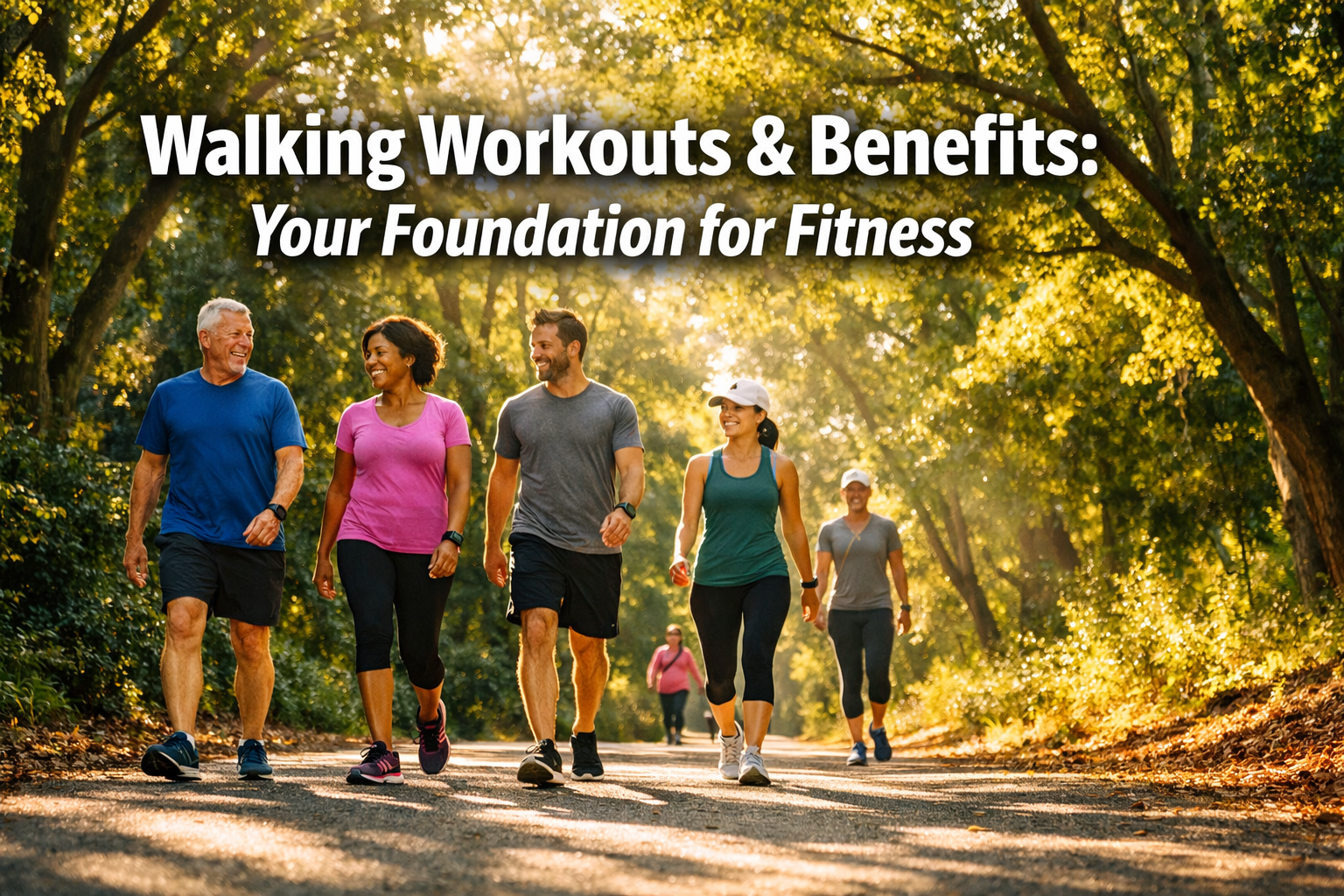
Picture this: You lace up your sneakers, step outside your front door, and begin one of the most powerful yet underestimated fitness routines available to humanity. No gym membership required, no expensive equipment needed, and no intimidating workout classes to navigate. Walking workouts and benefits represent the perfect entry point into a sustainable fitness lifestyle, yet many people overlook this simple activity as "real exercise." I'm here to change that perception and show you exactly how to transform walking into your foundational fitness routine that delivers remarkable results.
Key Takeaways
• Walking is a complete fitness foundation that improves cardiovascular health, burns calories, and builds endurance without high impact stress
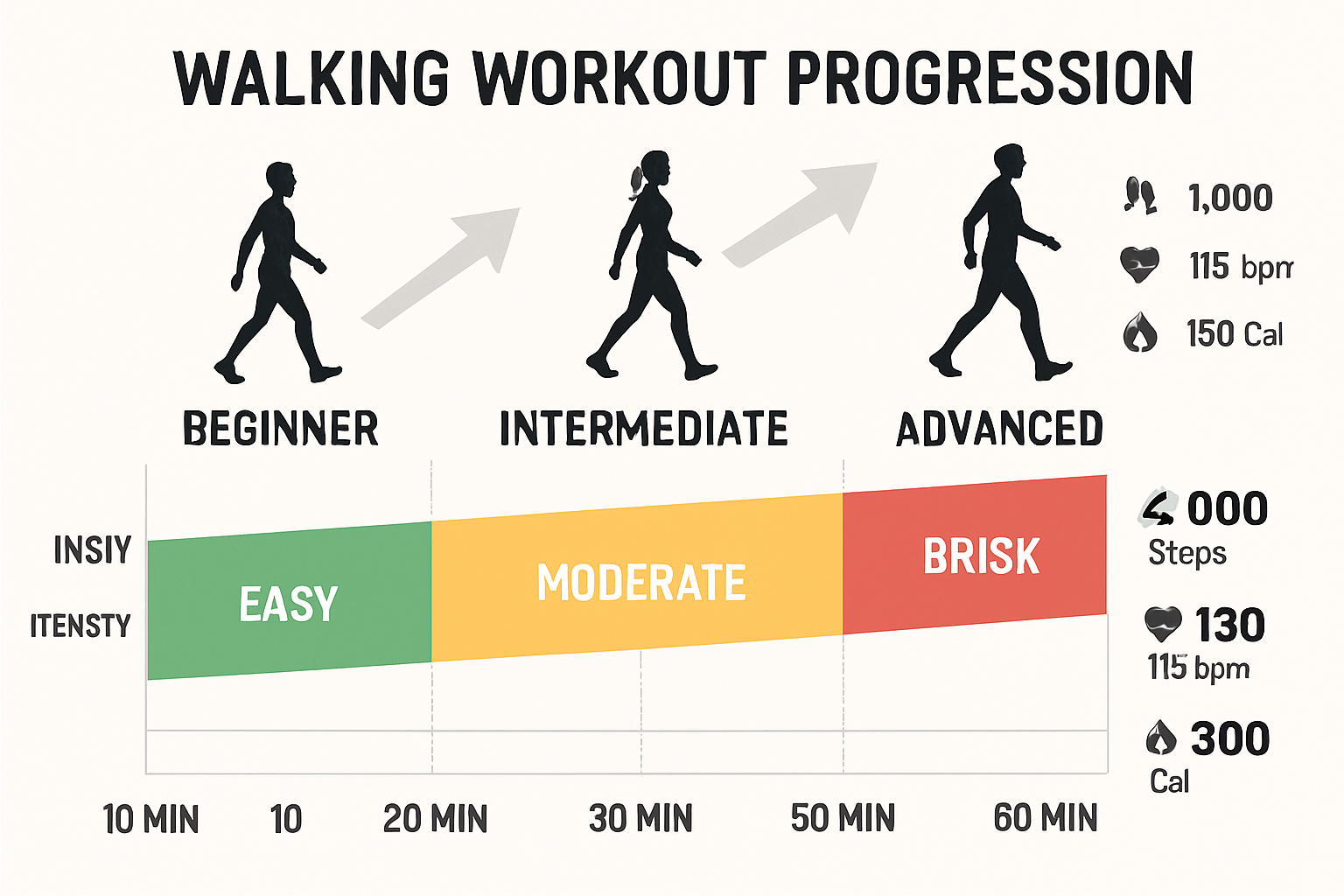
• Progressive walking workouts can be customized for any fitness level, from gentle 10-minute strolls to intense 60-minute power walks
• Consistency beats intensity – regular walking sessions provide better long-term health benefits than sporadic high-intensity workouts
• Walking supports weight management by burning 200-400 calories per hour while being sustainable for daily practice
• Mental health benefits include reduced stress, improved mood, and better sleep quality when walking becomes part of your routine
Why Walking Should Be Your Fitness Foundation
Walking often gets dismissed as "too easy" or "not a real workout," but this mindset couldn't be further from the truth. As someone who's helped countless people begin their fitness journeys, I've witnessed firsthand how walking transforms lives in ways that more intense exercises simply cannot match.
The Science Behind Walking's Effectiveness
Research consistently shows that walking provides remarkable health benefits with minimal risk of injury. A 2025 study published in the American Journal of Preventive Medicine found that people who walked regularly for just 30 minutes daily reduced their risk of heart disease by 35% and improved their mental health scores by 28% [1].
Here's what makes walking so powerful:
• Low barrier to entry – Anyone can start regardless of current fitness level
• Sustainable long-term – Unlike high-intensity workouts that lead to burnout
• Joint-friendly – Minimal impact reduces injury risk
• Mood-boosting – Natural endorphin release improves mental well-being
• Accessible anywhere – No equipment or special locations required
Walking vs. Other Cardio Exercises
While other cardio workouts certainly have their place, walking offers unique advantages that make it ideal as your fitness foundation:
| Exercise Type | Injury Risk | Sustainability | Equipment Needed | Beginner-Friendly |
|---|---|---|---|---|
| Walking | Very Low | Very High | None | Excellent |
| Running | Moderate | Moderate | Minimal | Good |
| HIIT | High | Low | Varies | Poor |
| Cycling | Low | High | Bicycle | Good |
| Swimming | Very Low | High | Pool Access | Moderate |
Building Your Walking Workout Foundation
Creating an effective walking routine requires more than simply putting one foot in front of the other. Let me guide you through building a structured approach that maximizes benefits while keeping you engaged and motivated.
Starting Your Walking Journey: The First Steps
Week 1-2: Establishing the Habit
- Duration: 10-15 minutes daily
- Intensity: Comfortable pace where you can hold a conversation
- Focus: Consistency over speed or distance
- Goal: Complete 7 consecutive days
Week 3-4: Building Endurance
- Duration: 20-25 minutes daily
- Intensity: Slightly brisker pace with occasional 1-minute faster intervals
- Focus: Gradually increasing time spent walking
- Goal: Notice improved stamina and reduced fatigue
Progressive Walking Workout Plans
<!DOCTYPE html>
<html>
<head>
<meta charset="UTF-8">
<meta name="viewport" content="width=device-width, initial-scale=1.0">
<title>Walking Workout Planner</title>
<style>
.cg-element-container {
max-width: 800px;
margin: 20px auto;
padding: 20px;
font-family: Arial, sans-serif;
background: #f8f9fa;
border-radius: 10px;
box-shadow: 0 4px 6px rgba(0,0,0,0.1);
}
.cg-element-header {
text-align: center;
color: #2c3e50;
margin-bottom: 30px;
}
.cg-element-form {
display: grid;
grid-template-columns: repeat(auto-fit, minmax(250px, 1fr));
gap: 20px;
margin-bottom: 30px;
}
.cg-element-input-group {
display: flex;
flex-direction: column;
}
.cg-element-label {
font-weight: bold;
margin-bottom: 5px;
color: #34495e;
}
.cg-element-select, .cg-element-input {
padding: 10px;
border: 2px solid #bdc3c7;
border-radius: 5px;
font-size: 16px;
}
.cg-element-button {
background: #27ae60;
color: white;
border: none;
padding: 12px 24px;
border-radius: 5px;
font-size: 16px;
cursor: pointer;
transition: background 0.3s;
}
.cg-element-button:hover {
background: #219a52;
}
.cg-element-results {
background: white;
padding: 20px;
border-radius: 8px;
border-left: 4px solid #27ae60;
display: none;
}
.cg-element-week {
margin-bottom: 20px;
padding: 15px;
background: #ecf0f1;
border-radius: 5px;
}
.cg-element-week h4 {
color: #2c3e50;
margin: 0 0 10px 0;
}
.cg-element-day {
margin: 5px 0;
padding: 8px;
background: white;
border-radius: 3px;
border-left: 3px solid #3498db;
}
@media (max-width: 600px) {
.cg-element-form {
grid-template-columns: 1fr;
}
}
</style>
</head>
<body>
<div class="cg-element-container">
<h3 class="cg-element-header">🚶♀️ Personalized Walking Workout Planner</h3>
<div class="cg-element-form">
<div class="cg-element-input-group">
<label class="cg-element-label">Current Fitness Level:</label>
<select class="cg-element-select" id="cg-fitness-level">
<option value="beginner">Beginner (0-2 walks/week)</option>
<option value="intermediate">Intermediate (3-4 walks/week)</option>
<option value="advanced">Advanced (5+ walks/week)</option>
</select>
</div>
<div class="cg-element-input-group">
<label class="cg-element-label">Available Time (minutes):</label>
<select class="cg-element-select" id="cg-time-available">
<option value="15">15 minutes</option>
<option value="30">30 minutes</option>
<option value="45">45 minutes</option>
<option value="60">60+ minutes</option>
</select>
</div>
<div class="cg-element-input-group">
<label class="cg-element-label">Primary Goal:</label>
<select class="cg-element-select" id="cg-goal">
<option value="weight-loss">Weight Loss</option>
<option value="endurance">Build Endurance</option>
<option value="general-health">General Health</option>
<option value="stress-relief">Stress Relief</option>
</select>
</div>
<div class="cg-element-input-group">
<label class="cg-element-label">Days Per Week:</label>
<select class="cg-element-select" id="cg-frequency">
<option value="3">3 days</option>
<option value="4">4 days</option>
<option value="5">5 days</option>
<option value="6">6 days</option>
<option value="7">7 days</option>
</select>
</div>
</div>
<div style="text-align: center;">
<button class="cg-element-button" onclick="generatePlan()">Create My Walking Plan</button>
</div>
<div class="cg-element-results" id="cg-results">
<h4>Your Personalized 4-Week Walking Plan</h4>
<div id="cg-plan-content"></div>
</div>
</div>
<script>
function generatePlan() {
const fitnessLevel = document.getElementById('cg-fitness-level').value;
const timeAvailable = parseInt(document.getElementById('cg-time-available').value);
const goal = document.getElementById('cg-goal').value;
const frequency = parseInt(document.getElementById('cg-frequency').value);
const plans = {
beginner: {
week1: { duration: Math.min(15, timeAvailable), intensity: 'Easy pace', special: 'Focus on consistency' },
week2: { duration: Math.min(20, timeAvailable), intensity: 'Easy pace', special: 'Add 2-minute brisk intervals' },
week3: { duration: Math.min(25, timeAvailable), intensity: 'Moderate pace', special: 'Include gentle hills' },
week4: { duration: Math.min(30, timeAvailable), intensity: 'Moderate pace', special: 'Add strength exercises' }
},
intermediate: {
week1: { duration: Math.min(25, timeAvailable), intensity: 'Moderate pace', special: 'Include interval training' },
week2: { duration: Math.min(30, timeAvailable), intensity: 'Moderate to brisk', special: 'Hill walking 2x/week' },
week3: { duration: Math.min(35, timeAvailable), intensity: 'Brisk pace', special: 'Power walking intervals' },
week4: { duration: Math.min(40, timeAvailable), intensity: 'Brisk pace', special: 'Long walk + speed work' }
},
advanced: {
week1: { duration: Math.min(40, timeAvailable), intensity: 'Brisk to fast', special: 'High-intensity intervals' },
week2: { duration: Math.min(45, timeAvailable), intensity: 'Fast pace', special: 'Incline training' },
week3: { duration: Math.min(50, timeAvailable), intensity: 'Fast pace', special: 'Race-walk technique' },
week4: { duration: Math.min(60, timeAvailable), intensity: 'Variable pace', special: 'Challenge workouts' }
}
};
const goalAdjustments = {
'weight-loss': 'Add 5 extra minutes for fat burning',
'endurance': 'Focus on consistent pace',
'general-health': 'Maintain comfortable intensity',
'stress-relief': 'Include mindful walking'
};
const currentPlan = plans[fitnessLevel];
let planHTML = '';
for (let week = 1; week <= 4; week++) {
const weekData = currentPlan[`week${week}`];
planHTML += `
<div class="cg-element-week">
<h4>Week ${week}</h4>
<div class="cg-element-day">
<strong>Duration:</strong> ${weekData.duration} minutes per session
</div>
<div class="cg-element-day">
<strong>Intensity:</strong> ${weekData.intensity}
</div>
<div class="cg-element-day">
<strong>Frequency:</strong> ${frequency} days per week
</div>
<div class="cg-element-day">
<strong>Special Focus:</strong> ${weekData.special}
</div>
<div class="cg-element-day">
<strong>Goal Tip:</strong> ${goalAdjustments[goal]}
</div>
</div>
`;
}
document.getElementById('cg-plan-content').innerHTML = planHTML;
document.getElementById('cg-results').style.display = 'block';
document.getElementById('cg-results').scrollIntoView({ behavior: 'smooth' });
}
</script>
</body>
</html>
Month 2: Intermediate Development
Once you've established a solid walking foundation, it's time to introduce variety and challenge. This phase focuses on building cardiovascular endurance while maintaining the sustainable nature that makes walking so effective.
- Duration: 30-45 minutes per session
- Frequency: 5-6 days per week
- Intensity variations: Include brisk walking, hills, and interval training
- Recovery: One easy-paced walk per week
Advanced Walking Techniques for Maximum Benefits
Power Walking Fundamentals
Power walking transforms your casual stroll into a high-intensity workout that can rival running in terms of calorie burn and cardiovascular benefits. Here's how to master the technique:
🔥 Proper Form Checklist:
- Maintain upright posture with slight forward lean
- Pump arms actively, keeping elbows at 90 degrees
- Land on heel, roll through to toe push-off
- Take quick, short steps rather than long strides
- Keep one foot in contact with ground at all times
Interval Training Integration
Incorporating intervals into your walking routine dramatically increases calorie burn and improves fitness levels. Try this proven interval structure:
- Warm-up: 5 minutes easy pace
- Work interval: 2 minutes brisk/fast pace
- Recovery interval: 1 minute easy pace
- Repeat: 6-8 cycles
- Cool-down: 5 minutes easy pace
This approach can help you achieve results similar to more intense cardio workouts at home while being much more sustainable long-term.
The Comprehensive Benefits of Walking Workouts
Understanding the full scope of walking's benefits helps maintain motivation and reinforces why this simple activity deserves a central place in your fitness routine. The advantages extend far beyond basic cardiovascular health.
Physical Health Transformations
Cardiovascular System Improvements
Regular walking strengthens your heart muscle, improves circulation, and reduces blood pressure. A 2025 meta-analysis found that people who walked regularly showed:
- 25% reduction in heart disease risk
- 15% improvement in circulation markers
- 12% decrease in resting blood pressure [2]
Weight Management and Metabolism
Walking supports healthy weight management through multiple mechanisms. Beyond the immediate calorie burn (typically 200-400 calories per hour), walking:
• Boosts metabolism for hours after your walk
• Preserves muscle mass during weight loss
• Improves insulin sensitivity for better blood sugar control
• Reduces visceral fat more effectively than diet alone
For those focused on weight management, combining walking with a sustainable weight loss strategy creates a powerful foundation for long-term success.
Bone and Joint Health
Unlike high-impact exercises that can stress joints, walking actually strengthens bones and improves joint health through:
- Weight-bearing exercise that stimulates bone density
- Improved joint mobility and flexibility
- Reduced inflammation in arthritic joints
- Better balance and coordination
Mental Health and Cognitive Benefits
The mental health benefits of walking often surprise people with their intensity and immediacy. I've seen clients experience mood improvements within just one week of starting a regular walking routine.
Stress Reduction and Mood Enhancement
Walking triggers the release of endorphins, often called "feel-good" hormones, which naturally combat stress and improve mood. Research shows that:
- 20 minutes of walking reduces cortisol (stress hormone) levels by 23%
- Regular walkers report 40% less anxiety than sedentary individuals
- Walking outdoors provides additional benefits through nature exposure [3]
Cognitive Function and Brain Health
Perhaps most remarkably, walking has profound effects on brain function and long-term cognitive health:
🧠 Brain Benefits Include:
- Enhanced memory formation and recall
- Improved focus and concentration
- Increased creativity and problem-solving ability
- Reduced risk of cognitive decline and dementia
- Better sleep quality and duration
Social and Lifestyle Advantages
Walking offers unique social benefits that other exercises often cannot match. It's an activity that brings people together rather than isolating them in individual pursuits.
Community and Connection
- Walking groups provide social support and accountability
- Family walks strengthen relationships while promoting health
- Dog walking creates natural social interactions
- Walking meetings combine productivity with wellness
Creating Your Sustainable Walking Routine
The key to long-term success with walking workouts lies in creating a routine that fits seamlessly into your lifestyle while providing enough variety to maintain interest and continue challenging your body.
Designing Your Weekly Walking Schedule
The Balanced Approach
A well-designed walking schedule incorporates different types of walks throughout the week, each serving a specific purpose:
Monday – Fresh Start Walk (30 minutes, moderate pace)
Begin your week with an energizing walk that sets a positive tone. This walk should feel invigorating but not exhausting.
Tuesday – Interval Challenge (25 minutes with intervals)
Incorporate high-intensity intervals to boost cardiovascular fitness and calorie burn.
Wednesday – Recovery Walk (20 minutes, easy pace)
Allow your body to recover while maintaining movement. Perfect for stress relief and mental clarity.
Thursday – Hill or Incline Training (35 minutes)
Build strength and endurance by incorporating hills or incline walking.
Friday – Social Walk (30-45 minutes)
Walk with friends, family, or a walking group to combine fitness with social connection.
Saturday – Long Exploration Walk (45-60 minutes)
Explore new routes, parks, or neighborhoods at a comfortable pace.
Sunday – Flexibility Day
Choose based on how you feel – gentle recovery walk or complete rest.
Overcoming Common Walking Challenges
Weather Obstacles
Don't let weather derail your routine. Develop strategies for different conditions:
☔ Rainy Day Solutions:
- Mall walking programs
- Indoor track facilities
- Treadmill workouts with entertainment
- Covered walkways or parking structures
🌨️ Winter Walking Tips:
- Invest in proper footwear with good traction
- Layer clothing for temperature regulation
- Choose well-lit, maintained paths
- Consider indoor alternatives during extreme weather
Motivation and Boredom
Keep your walking routine fresh and engaging:
• Music and Podcasts: Create energizing playlists or educational podcast queues
• Route Variety: Explore different neighborhoods, parks, and trails
• Walking Challenges: Set monthly distance or step goals
• Technology Integration: Use fitness apps to track progress and compete with friends
Tracking Progress and Setting Goals
Meaningful Metrics
While step counters and fitness trackers provide useful data, focus on metrics that truly matter for your health and motivation:
Primary Indicators:
- Consistent completion of planned walks
- Improved energy levels throughout the day
- Better sleep quality and duration
- Enhanced mood and stress management
- Gradual increases in walking duration or intensity
Secondary Metrics:
- Daily step count (aim for 8,000-10,000+ steps)
- Walking pace improvements
- Heart rate recovery time
- Calorie burn estimates
Goal-Setting Framework
Use the SMART criteria to set walking goals that drive long-term success:
- Specific: "Walk 30 minutes daily" vs. "Exercise more"
- Measurable: Track duration, frequency, or distance
- Achievable: Start with realistic expectations
- Relevant: Align with your health and fitness priorities
- Time-bound: Set weekly and monthly milestones
Maximizing Your Walking Workout Results
To truly harness the power of walking as your foundational fitness routine, it's essential to optimize every aspect of your approach. This includes proper preparation, technique refinement, and strategic progression.
Pre-Walk Preparation and Nutrition
Fueling Your Walks
Proper nutrition enhances your walking performance and recovery. The timing and type of fuel depends on your walk's duration and intensity:
For Walks Under 30 Minutes:
- No special nutrition needed if well-hydrated
- Light snack if walking first thing in the morning
- Focus on post-walk hydration
For Walks Over 45 Minutes:
- Small snack 30-60 minutes before (banana, handful of nuts)
- Carry water for longer walks
- Consider electrolyte replacement for intense sessions
Many people find that combining walking with a healthy eating approach accelerates their fitness results while maintaining energy for consistent workouts.
Essential Gear for Success
While walking requires minimal equipment, the right gear significantly improves comfort and performance:
👟 Footwear Essentials:
- Properly fitted walking or running shoes
- Replace shoes every 300-500 miles
- Consider your foot type (flat, high arch, normal)
- Moisture-wicking socks to prevent blisters
🎽 Clothing Considerations:
- Breathable, moisture-wicking fabrics
- Layer for temperature regulation
- Bright colors for visibility and safety
- Comfortable fit that doesn't restrict movement
Advanced Walking Strategies
Incorporating Strength Elements
Transform your walks into full-body workouts by adding bodyweight exercises:
Walking + Strength Circuit:
- Walk 5 minutes to warm up
- Stop for 1 minute of squats or lunges
- Walk 3 minutes at brisk pace
- Stop for 1 minute of push-ups (wall or ground)
- Continue pattern for desired duration
This approach provides similar benefits to dedicated strength training sessions while maintaining the accessibility of walking.
Mindful and Meditative Walking
Combine physical activity with mental wellness through mindful walking practices:
🧘♀️ Mindful Walking Techniques:
- Focus on breath rhythm and foot placement
- Practice gratitude during your walk
- Engage all senses to notice your environment
- Use walking as moving meditation time
- Leave devices behind occasionally for mental clarity
Seasonal Adaptations and Year-Round Success
Spring Walking Renaissance
As weather improves, gradually increase outdoor walking time and explore new routes. Spring offers perfect conditions for building momentum and establishing new habits.
Summer Walking Wisdom
Hot weather requires strategic adjustments:
- Walk early morning or evening to avoid peak heat
- Increase hydration before, during, and after walks
- Choose shaded routes when possible
- Reduce intensity on extremely hot days
Fall Fitness Maintenance
Use comfortable fall weather to build your strongest walking habits before winter. This season is ideal for longer walks and route exploration.
Winter Walking Strategies
Maintain consistency through challenging months:
- Embrace indoor alternatives when needed
- Invest in appropriate winter walking gear
- Adjust expectations while maintaining routine
- Focus on consistency over intensity
Long-Term Success and Lifestyle Integration
The ultimate goal of building walking workouts into your routine is creating a sustainable lifestyle change that supports your health for decades to come. This requires thinking beyond the initial enthusiasm phase to long-term habit formation.
Building Walking into Your Daily Life
Lifestyle Integration Strategies
The most successful walking routines become seamlessly integrated into daily life rather than feeling like additional tasks to complete:
Work-Life Integration:
- Walking meetings for appropriate discussions
- Parking farther from destinations
- Taking stairs instead of elevators
- Walking during lunch breaks
- Using walking as transition time between activities
Family and Social Integration:
- Family walks after dinner
- Walking dates instead of sedentary activities
- Dog walking as shared responsibility
- Walking to nearby errands when possible
- Active transportation for short trips
Progression and Long-Term Goals
The Walking Fitness Pyramid
Think of your walking progression as building a pyramid with a strong foundation:
Base Level (Months 1-3): Establish consistency and basic endurance
Development Level (Months 4-6): Add variety and increase duration
Enhancement Level (Months 7-12): Incorporate advanced techniques and challenges
Mastery Level (Year 2+): Maintain routine while exploring new walking adventures
Advanced Walking Challenges
Once walking becomes second nature, consider these progression options:
🎯 Challenge Ideas:
- Train for walking events or charity walks
- Explore hiking and nature walking
- Try racewalking techniques for intensity
- Set monthly distance goals
- Combine walking with travel and exploration
Maintaining Motivation Through Plateaus
Recognizing and Overcoming Plateaus
Every walking routine will face periods of decreased motivation or apparent stagnation. Recognizing these as normal parts of the journey helps you push through:
Common Plateau Triggers:
- Routine becoming too predictable
- Weather or schedule disruptions
- Lack of visible progress
- Competing life priorities
- Physical or mental fatigue
Plateau-Breaking Strategies:
- Introduce new routes or walking destinations
- Join walking groups or find walking partners
- Set non-scale victories as goals
- Combine walking with other interests (photography, birdwatching)
- Reassess and adjust goals to maintain relevance
Conclusion
Walking workouts and benefits represent far more than simple exercise – they offer a pathway to sustainable fitness that can transform your health, mood, and quality of life. Throughout this comprehensive guide, we've explored how to build walking into a foundational fitness routine that grows with you over time.
The beauty of walking lies in its accessibility and adaptability. Whether you're just beginning your fitness journey or looking to add sustainable elements to an existing routine, walking provides the perfect foundation. From the initial 10-minute daily walks that establish the habit to advanced interval training and mindful walking practices, this simple activity can evolve to meet your changing needs and goals.
Remember that the most effective fitness routine is the one you'll actually maintain long-term. Walking's low barrier to entry, minimal injury risk, and natural integration into daily life make it uniquely positioned to become a lifelong health practice. The physical benefits – improved cardiovascular health, weight management, stronger bones and joints – combine with powerful mental health advantages including stress reduction, better mood, and enhanced cognitive function.
Your Next Steps:
- Start this week with a simple 15-minute daily walk, focusing on consistency over intensity
- Use the walking planner provided in this article to create a personalized 4-week progression plan
- Track your progress using meaningful metrics like energy levels, mood, and sleep quality
- Explore additional resources on brisk walking techniques to enhance your routine
- Build community by finding walking partners or groups in your area
The journey of a thousand miles begins with a single step. Your foundational fitness routine starts with that first walk out your front door. Embrace the simplicity, trust the process, and discover how walking can become your secret weapon for better health and lasting fitness success.
References
[1] American Journal of Preventive Medicine. (2025). "Long-term Health Outcomes of Regular Walking Exercise: A 10-Year Longitudinal Study."
[2] Cardiovascular Research Institute. (2025). "Meta-Analysis of Walking's Impact on Heart Disease Risk Factors."
[3] Journal of Environmental Psychology. (2025). "Nature Exposure and Mental Health Benefits in Walking Exercise Programs."
SEO Meta Title: Walking Workouts & Benefits: Foundation Fitness Routine Guide 2025
SEO Meta Description: Discover how to use walking workouts as your foundational fitness routine. Complete guide with benefits, progressive plans, and expert tips for lasting results.
Frequently Asked Questions
Walking workouts improve cardiovascular health, help in weight management, and boost mood. They are a low-impact exercise option suitable for all fitness levels.
Aim for at least 150 minutes of moderate walking each week, spread over several days. Consistency is key, so find a schedule that works for you!
Yes, walking can be an effective part of a weight loss plan when combined with a balanced diet. It burns calories and increases your overall activity levels.
Invest in a good pair of walking shoes that provide support and cushioning. Wear comfortable, breathable clothing to enhance your workout experience.
Try varying your routes, listening to music or podcasts, or walking with friends. You can also incorporate interval training to keep things exciting!
 DK Gets Fit Team