

Mind-Body Wellness Practices: The Complete Guide to Yoga, Mindfulness, and Stress Reduction for Optimal Fitness
Picture this: You're crushing your workout routine, eating all the right foods, but something still feels off. Your energy crashes mid-afternoon, sleep feels elusive, and despite your physical efforts, you're not seeing the results you want. What's missing? The powerful connection between your mind and body that could transform your entire fitness journey. Mind-body wellness practices aren't just trendy buzzwords—they're scientifically-backed approaches that can revolutionize how you feel, perform, and thrive in 2025.
Key Takeaways
• Mind-body wellness practices combine physical movement with mental awareness to enhance overall fitness and well-being
• Yoga and mindfulness work synergistically to reduce stress hormones that can sabotage weight loss and fitness goals
• Stress reduction techniques can improve sleep quality, boost metabolism, and enhance workout recovery
• Regular practice of these techniques leads to better body awareness, injury prevention, and sustainable fitness habits
• Integration of mind-body practices with traditional fitness routines creates a holistic approach to health
Understanding the Mind-Body Connection in Fitness
The relationship between our mental and physical states runs deeper than most people realize. When we're stressed, our bodies release cortisol—a hormone that can lead to weight gain, muscle breakdown, and decreased motivation for exercise [1]. This is where mind-body wellness practices become game-changers for your fitness journey.
What Are Mind-Body Wellness Practices?
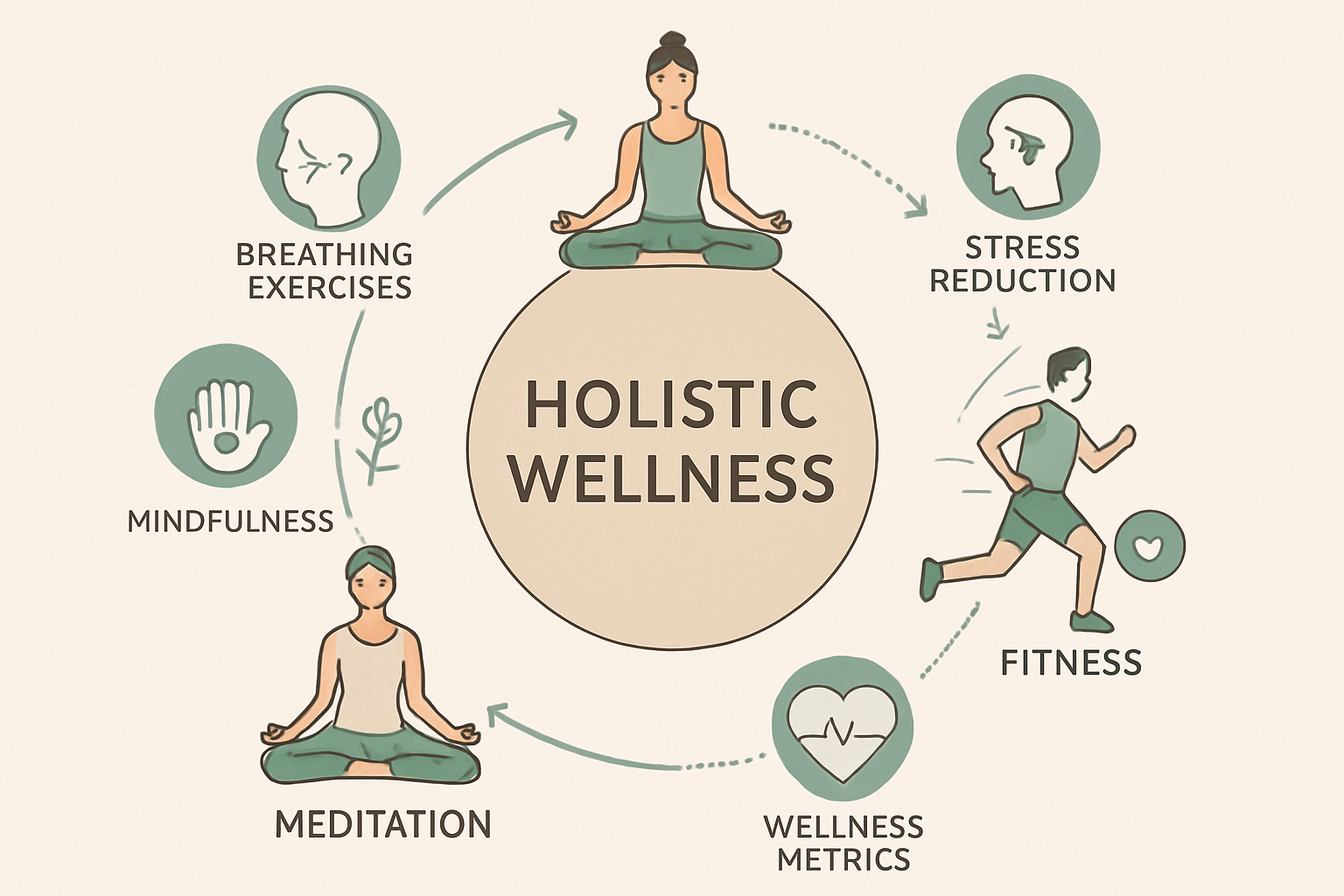
Mind-body wellness practices are activities that intentionally connect mental awareness with physical movement or stillness. These include:
- 🧘♀️ Yoga – Combining poses, breathing, and meditation
- 🌱 Mindfulness meditation – Focused awareness of the present moment
- 🌊 Tai Chi – Slow, flowing movements with mental focus
- 🫁 Breathwork – Controlled breathing techniques
- 🎯 Body scanning – Progressive awareness of physical sensations
The beauty of these practices lies in their ability to address both physical fitness and mental well-being simultaneously. When you're dealing with chronic stress or mental fatigue, even the most effective cardio workouts at home might not deliver the results you're seeking.
The Science Behind Yoga and Fitness Integration
Yoga isn't just stretching—it's a comprehensive fitness system that builds strength, flexibility, balance, and mental resilience. Research shows that regular yoga practice can improve cardiovascular health, increase muscle tone, and enhance athletic performance [2].
Physical Benefits of Yoga for Fitness
Strength Building: Many yoga poses require significant muscular engagement. Poses like plank, warrior III, and arm balances build functional strength that translates to better performance in other activities.
Flexibility and Mobility: Improved range of motion reduces injury risk and enhances movement quality in all physical activities.
Balance and Coordination: Yoga challenges proprioception (body awareness), leading to better stability and coordination.
Mental Benefits That Enhance Physical Performance
- Improved Focus: Better concentration during workouts leads to more effective training
- Stress Reduction: Lower cortisol levels support muscle growth and fat loss
- Body Awareness: Enhanced ability to listen to your body prevents overtraining and injuries
For those following a structured fitness routine, incorporating yoga can complement your best weight loss workout by addressing recovery and flexibility needs.
<!DOCTYPE html>
<html lang="en">
<head>
<meta charset="UTF-8">
<meta name="viewport" content="width=device-width, initial-scale=1.0">
<title>Mind-Body Wellness Practice Tracker</title>
<style>
.cg-element-container {
max-width: 800px;
margin: 20px auto;
padding: 20px;
font-family: 'Arial', sans-serif;
background: linear-gradient(135deg, #f5f7fa 0%, #c3cfe2 100%);
border-radius: 15px;
box-shadow: 0 10px 30px rgba(0,0,0,0.1);
}
.cg-element-header {
text-align: center;
margin-bottom: 30px;
}
.cg-element-title {
color: #2c3e50;
font-size: 24px;
margin-bottom: 10px;
font-weight: bold;
}
.cg-element-subtitle {
color: #7f8c8d;
font-size: 16px;
}
.cg-element-practice-grid {
display: grid;
grid-template-columns: repeat(auto-fit, minmax(250px, 1fr));
gap: 20px;
margin-bottom: 30px;
}
.cg-element-practice-card {
background: white;
padding: 20px;
border-radius: 10px;
box-shadow: 0 5px 15px rgba(0,0,0,0.1);
transition: transform 0.3s ease;
}
.cg-element-practice-card:hover {
transform: translateY(-5px);
}
.cg-element-practice-name {
font-weight: bold;
color: #2c3e50;
margin-bottom: 10px;
font-size: 18px;
}
.cg-element-practice-benefits {
color: #7f8c8d;
font-size: 14px;
margin-bottom: 15px;
}
.cg-element-duration-slider {
width: 100%;
margin: 10px 0;
}
.cg-element-duration-display {
text-align: center;
font-weight: bold;
color: #27ae60;
margin: 10px 0;
}
.cg-element-add-btn {
background: linear-gradient(135deg, #667eea 0%, #764ba2 100%);
color: white;
border: none;
padding: 10px 20px;
border-radius: 25px;
cursor: pointer;
width: 100%;
font-size: 16px;
transition: all 0.3s ease;
}
.cg-element-add-btn:hover {
transform: scale(1.05);
}
.cg-element-weekly-summary {
background: white;
padding: 20px;
border-radius: 10px;
margin-top: 20px;
}
.cg-element-summary-title {
color: #2c3e50;
font-size: 20px;
margin-bottom: 15px;
text-align: center;
}
.cg-element-progress-bar {
background: #ecf0f1;
height: 20px;
border-radius: 10px;
overflow: hidden;
margin: 10px 0;
}
.cg-element-progress-fill {
height: 100%;
background: linear-gradient(90deg, #56ab2f 0%, #a8e6cf 100%);
transition: width 0.5s ease;
}
.cg-element-stats {
display: grid;
grid-template-columns: repeat(auto-fit, minmax(150px, 1fr));
gap: 15px;
margin-top: 20px;
}
.cg-element-stat-card {
text-align: center;
padding: 15px;
background: #f8f9fa;
border-radius: 8px;
}
.cg-element-stat-number {
font-size: 24px;
font-weight: bold;
color: #27ae60;
}
.cg-element-stat-label {
font-size: 14px;
color: #7f8c8d;
}
@media (max-width: 600px) {
.cg-element-container {
margin: 10px;
padding: 15px;
}
.cg-element-practice-grid {
grid-template-columns: 1fr;
}
}
</style>
</head>
<body>
<div class="cg-element-container">
<div class="cg-element-header">
<h2 class="cg-element-title">Mind-Body Wellness Practice Tracker</h2>
<p class="cg-element-subtitle">Build your personalized wellness routine and track your progress</p>
</div>
<div class="cg-element-practice-grid">
<div class="cg-element-practice-card">
<div class="cg-element-practice-name">🧘♀️ Yoga</div>
<div class="cg-element-practice-benefits">Builds strength, flexibility, and mental focus</div>
<input type="range" class="cg-element-duration-slider" min="10" max="90" value="30" data-practice="yoga">
<div class="cg-element-duration-display">30 minutes</div>
<button class="cg-element-add-btn" onclick="addPractice('yoga')">Add to Today</button>
</div>
<div class="cg-element-practice-card">
<div class="cg-element-practice-name">🌱 Mindfulness</div>
<div class="cg-element-practice-benefits">Reduces stress and improves mental clarity</div>
<input type="range" class="cg-element-duration-slider" min="5" max="60" value="15" data-practice="mindfulness">
<div class="cg-element-duration-display">15 minutes</div>
<button class="cg-element-add-btn" onclick="addPractice('mindfulness')">Add to Today</button>
</div>
<div class="cg-element-practice-card">
<div class="cg-element-practice-name">🫁 Breathwork</div>
<div class="cg-element-practice-benefits">Activates relaxation response and boosts energy</div>
<input type="range" class="cg-element-duration-slider" min="5" max="30" value="10" data-practice="breathwork">
<div class="cg-element-duration-display">10 minutes</div>
<button class="cg-element-add-btn" onclick="addPractice('breathwork')">Add to Today</button>
</div>
<div class="cg-element-practice-card">
<div class="cg-element-practice-name">🌊 Movement Flow</div>
<div class="cg-element-practice-benefits">Gentle movement to release tension</div>
<input type="range" class="cg-element-duration-slider" min="10" max="45" value="20" data-practice="movement">
<div class="cg-element-duration-display">20 minutes</div>
<button class="cg-element-add-btn" onclick="addPractice('movement')">Add to Today</button>
</div>
</div>
<div class="cg-element-weekly-summary">
<h3 class="cg-element-summary-title">Weekly Progress</h3>
<div class="cg-element-progress-bar">
<div class="cg-element-progress-fill" id="weeklyProgress" style="width: 0%"></div>
</div>
<div class="cg-element-stats">
<div class="cg-element-stat-card">
<div class="cg-element-stat-number" id="totalMinutes">0</div>
<div class="cg-element-stat-label">Total Minutes</div>
</div>
<div class="cg-element-stat-card">
<div class="cg-element-stat-number" id="sessionsCount">0</div>
<div class="cg-element-stat-label">Sessions</div>
</div>
<div class="cg-element-stat-card">
<div class="cg-element-stat-number" id="streakDays">0</div>
<div class="cg-element-stat-label">Day Streak</div>
</div>
</div>
</div>
</div>
<script>
let practiceData = JSON.parse(localStorage.getItem('mindBodyPractices')) || {
totalMinutes: 0,
sessionsCount: 0,
streakDays: 0,
lastPracticeDate: null,
weeklyGoal: 150 // minutes per week
};
// Update slider displays
document.querySelectorAll('.cg-element-duration-slider').forEach(slider => {
slider.addEventListener('input', function() {
const display = this.parentNode.querySelector('.cg-element-duration-display');
display.textContent = `${this.value} minutes`;
});
});
function addPractice(practiceType) {
const slider = document.querySelector(`[data-practice="${practiceType}"]`);
const duration = parseInt(slider.value);
// Update practice data
practiceData.totalMinutes += duration;
practiceData.sessionsCount += 1;
// Update streak
const today = new Date().toDateString();
if (practiceData.lastPracticeDate !== today) {
const yesterday = new Date();
yesterday.setDate(yesterday.getDate() - 1);
if (practiceData.lastPracticeDate === yesterday.toDateString()) {
practiceData.streakDays += 1;
} else if (practiceData.lastPracticeDate === null || practiceData.lastPracticeDate !== today) {
practiceData.streakDays = 1;
}
practiceData.lastPracticeDate = today;
}
// Save to localStorage
localStorage.setItem('mindBodyPractices', JSON.stringify(practiceData));
// Update display
updateDisplay();
// Show feedback
const button = event.target;
const originalText = button.textContent;
button.textContent = `✓ Added ${duration}min!`;
button.style.background = '#27ae60';
setTimeout(() => {
button.textContent = originalText;
button.style.background = 'linear-gradient(135deg, #667eea 0%, #764ba2 100%)';
}, 2000);
}
function updateDisplay() {
document.getElementById('totalMinutes').textContent = practiceData.totalMinutes;
document.getElementById('sessionsCount').textContent = practiceData.sessionsCount;
document.getElementById('streakDays').textContent = practiceData.streakDays;
// Update progress bar (based on weekly goal)
const progressPercent = Math.min((practiceData.totalMinutes / practiceData.weeklyGoal) * 100, 100);
document.getElementById('weeklyProgress').style.width = `${progressPercent}%`;
}
// Initialize display
updateDisplay();
</script>
</body>
</html>
Mindfulness Techniques for Enhanced Fitness Performance
Mindfulness—the practice of maintaining moment-to-moment awareness—can dramatically improve your fitness results. When you're fully present during workouts, you make better form choices, push yourself appropriately, and avoid injuries.
Core Mindfulness Practices for Fitness
1. Mindful Movement
Before starting any workout, spend 2-3 minutes focusing on your breath and body sensations. This primes your nervous system for optimal performance.
2. Body Scan Meditation
- Lie down comfortably
- Starting from your toes, mentally scan each body part
- Notice areas of tension or discomfort
- Breathe into tight areas to promote relaxation
3. Mindful Eating
Being present during meals enhances digestion and helps you recognize hunger and fullness cues—crucial for anyone following a best weight loss diet plan.
Integrating Mindfulness into Your Routine
"The present moment is the only time over which we have dominion." – Thich Nhat Hanh
Start small with these practical applications:
- Pre-workout mindfulness: 5 minutes of focused breathing before exercise
- Mindful transitions: Use walking between exercises as mindfulness moments
- Post-workout reflection: Spend 3 minutes appreciating what your body accomplished
Research indicates that mindful individuals are more likely to maintain consistent exercise habits and make healthier food choices [3]. This makes mindfulness a powerful tool for sustainable weight loss strategies for women.
Stress Reduction Strategies That Boost Fitness Results
Chronic stress is one of the biggest obstacles to achieving fitness goals. When stress hormones like cortisol remain elevated, they can:
- Increase belly fat storage
- Break down muscle tissue
- Suppress immune function
- Disrupt sleep patterns
- Increase cravings for processed foods
Evidence-Based Stress Reduction Techniques
Progressive Muscle Relaxation (PMR)
- Tense specific muscle groups for 5 seconds
- Release and notice the contrast
- Work systematically through your entire body
- Practice 15-20 minutes daily
Breathing Techniques
- 4-7-8 Breathing: Inhale for 4, hold for 7, exhale for 8
- Box Breathing: Equal counts for inhale, hold, exhale, hold
- Belly Breathing: Focus on expanding your diaphragm
Nature Immersion
Spending time outdoors, even for short walks, can significantly reduce cortisol levels and improve mood.
Creating Your Stress-Reduction Toolkit
| Technique | Time Required | Best Used For |
|---|---|---|
| Deep breathing | 2-5 minutes | Immediate stress relief |
| Progressive muscle relaxation | 15-20 minutes | Evening wind-down |
| Mindful walking | 10-30 minutes | Mid-day reset |
| Yoga flow | 20-60 minutes | Comprehensive stress relief |
| Meditation | 5-30 minutes | Daily maintenance |
Building Your Personalized Mind-Body Wellness Routine
Creating a sustainable mind-body wellness practice requires personalization and gradual progression. Here's how to build a routine that complements your existing fitness goals:
Step 1: Assess Your Current State
Physical Assessment:
- Energy levels throughout the day
- Sleep quality (1-10 scale)
- Stress levels (1-10 scale)
- Current fitness routine satisfaction
Mental Assessment:
- Ability to focus during workouts
- Motivation consistency
- Emotional relationship with exercise
- Recovery between sessions
Step 2: Choose Your Practices
For Beginners:
- 10 minutes morning meditation
- 20 minutes gentle yoga 3x/week
- 5 minutes post-workout breathing
For Intermediate:
- 15-20 minutes daily mindfulness practice
- 45 minutes yoga 3-4x/week
- Weekly longer meditation session (30+ minutes)
For Advanced:
- Multiple daily mindfulness check-ins
- Daily yoga practice (30-60 minutes)
- Integration of mindful movement in all activities
Step 3: Track and Adjust
Monitor these key metrics:
- Sleep quality improvements
- Stress level changes
- Workout performance
- Recovery speed
- Overall life satisfaction
Remember that mind-body wellness works synergistically with proper nutrition. If you're working toward weight loss goals, combining these practices with optimal nutrition for women's health creates a powerful foundation for lasting results.
Advanced Mind-Body Integration Techniques
Once you've established basic practices, these advanced techniques can deepen your mind-body connection:
Visualization for Performance
Athletic Visualization:
- Mentally rehearse perfect form
- Visualize achieving fitness goals
- Imagine overcoming workout challenges
Recovery Visualization:
- Picture muscles repairing and growing stronger
- Visualize stress leaving your body
- Imagine energy flowing to tired areas
Somatic Movement Practices
Somatic exercises involve slow, mindful movements that retrain the nervous system:
- Cat-cow stretches for spinal awareness
- Gentle spinal waves for back tension
- Shoulder rolls for upper body release
- Hip circles for lower body mobility
Biofeedback Integration
Using simple tools to monitor physiological responses:
- Heart rate variability tracking
- Breath pattern awareness
- Muscle tension monitoring
- Sleep pattern analysis
These advanced practices can enhance the benefits you're already getting from cardio workouts at home by improving your body's stress response and recovery capacity.
Common Challenges and Solutions
Challenge 1: "I Don't Have Time"
Solution: Start with micro-practices
- 2-minute breathing exercises
- Mindful transitions between activities
- Walking meditation during daily walks
Challenge 2: "I Can't Quiet My Mind"
Solution: Reframe expectations
- Meditation isn't about stopping thoughts
- Notice when your mind wanders and gently return focus
- Use guided meditations initially
Challenge 3: "I Don't See Results"
Solution: Track subtle changes
- Energy levels
- Sleep quality
- Stress response
- Exercise enjoyment
Challenge 4: "It Feels Too 'Woo-Woo'"
Solution: Focus on the science
- Emphasize physiological benefits
- Start with movement-based practices
- Use secular, research-based approaches
Measuring Success in Mind-Body Wellness
Success in mind-body wellness isn't always immediately visible like traditional fitness metrics. Here are key indicators of progress:
Physical Indicators
- ✅ Improved sleep quality and duration
- ✅ Faster recovery between workouts
- ✅ Reduced chronic pain or tension
- ✅ Better balance and coordination
- ✅ Increased energy throughout the day
Mental Indicators
- ✅ Greater emotional stability
- ✅ Improved focus and concentration
- ✅ Reduced anxiety and stress responses
- ✅ Enhanced motivation for healthy choices
- ✅ Better body awareness and intuition
Lifestyle Indicators
- ✅ More consistent exercise habits
- ✅ Healthier eating patterns
- ✅ Improved relationships
- ✅ Greater life satisfaction
- ✅ Increased resilience to stress
The Future of Mind-Body Wellness in Fitness
As we move through 2025, the integration of mind-body practices with traditional fitness continues to evolve. Emerging trends include:
Technology Integration:
- VR meditation experiences
- AI-powered personalized wellness coaching
- Biometric feedback for real-time adjustments
Workplace Wellness:
- Corporate mindfulness programs
- Desk-based movement practices
- Stress management training
Healthcare Integration:
- Prescription meditation programs
- Mind-body therapies in medical settings
- Preventive wellness protocols
The future points toward a more holistic understanding of health—one where mental and physical wellness are inseparable components of optimal human performance.
Conclusion
Mind-body wellness practices represent a fundamental shift in how we approach fitness and health. Rather than treating the body as a machine to be optimized through exercise alone, these practices recognize the intricate connection between mental states and physical performance.
By incorporating yoga, mindfulness, and stress reduction techniques into your routine, you're not just adding another item to your wellness checklist—you're creating a foundation for sustainable, lifelong health. The benefits extend far beyond the yoga mat or meditation cushion, influencing every aspect of your fitness journey.
Your Next Steps:
- Start small: Choose one practice (5-10 minutes daily) and commit for one week
- Track your experience: Note changes in energy, sleep, and mood
- Gradually expand: Add new practices as habits solidify
- Stay consistent: Regular practice trumps perfect practice
- Be patient: Mind-body benefits often develop gradually but create lasting change
Remember, the goal isn't perfection—it's progress. Every moment of mindfulness, every conscious breath, and every mindful movement contributes to a healthier, more balanced you. In a world that often prioritizes quick fixes and extreme measures, mind-body wellness practices offer something revolutionary: sustainable transformation from the inside out.
Whether you're just beginning your fitness journey or looking to enhance your existing routine, mind-body wellness practices provide the missing link between where you are and where you want to be. Start today, start small, and trust in the process. Your future self will thank you for taking this holistic approach to health and wellness.
References
[1] Harvard Health Publishing. "Understanding the stress response." Harvard Medical School, 2020.
[2] Journal of Physical Activity and Health. "Effects of yoga on physical and psychological health." 2019.
[3] American Psychological Association. "Mindfulness and health behavior change." 2018.
SEO Meta Information:
Meta Title: Mind-Body Wellness Practices: Yoga, Mindfulness & Stress Reduction Guide 2025
Meta Description: Discover powerful mind-body wellness practices including yoga, mindfulness, and stress reduction techniques that enhance fitness results and overall well-being.
Frequently Asked Questions
Yoga enhances mental health by promoting relaxation and reducing anxiety through mindful movement and breath awareness. It encourages a deeper connection with your body and mind, fostering a sense of inner peace.
Mindfulness helps you stay present and fully engage with your experiences, reducing stress and increasing emotional resilience. By practicing mindfulness regularly, you can cultivate a greater sense of calm and clarity in your daily activities.
Even practicing yoga just a few times a week can lead to significant stress reduction benefits. Aim for at least 20-30 minutes per session to experience the calming effects on both your body and mind.
Absolutely! Mindfulness can be practiced through various techniques such as meditation, deep breathing exercises, or even mindful walking. The key is to find a method that resonates with you and incorporate it into your daily routine.
Start with beginner-friendly classes or online tutorials to build your confidence and understanding. Remember, it’s important to take your time and enjoy the journey, focusing on progress rather than perfection.