

Debunking Strength Training Myths for Women
Picture this: You walk into a gym, eyeing the weight section with curiosity and maybe a hint of fear. You've heard the whispers—lifting weights will make you bulky, you'll need hours of training, it's dangerous for women. But what if I told you that nearly everything you've been told about strength training myths for women is completely wrong? 💪
The fitness industry has perpetuated damaging misconceptions that have kept countless women from experiencing the transformative power of strength training. In 2025, it's time to shatter these myths once and for all. Whether you're a complete beginner or someone who's been hesitant to pick up anything heavier than a 5-pound dumbbell, this comprehensive guide will arm you with the truth about women and weightlifting.
Key Takeaways
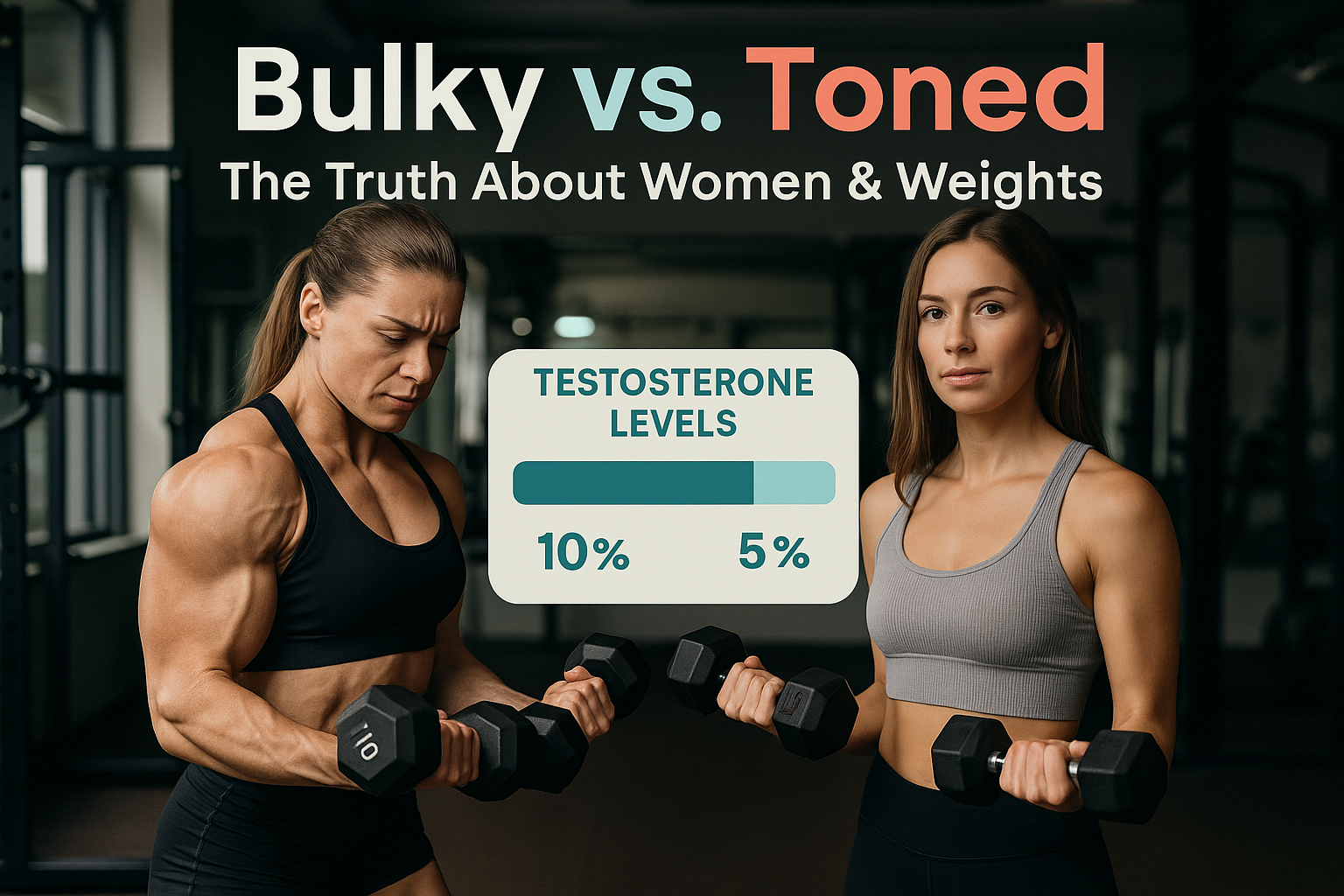
- Women lack the testosterone to become bulky from normal strength training—building significant muscle mass requires years of dedicated training and specific nutrition protocols
- Strength training boosts metabolism more effectively than cardio alone, burning calories long after your workout ends through the afterburn effect
- Heavy weights are safe and essential for women when performed with proper form, regardless of age or fitness level
- Progressive overload with challenging weights creates the toned, defined physique most women desire—not endless light-weight repetitions
- Compound movements like squats and deadlifts are just as beneficial for women as they are for men, building functional strength efficiently
Understanding Strength Training Myths for Women
For decades, women have been fed a steady diet of misinformation about lifting weights. These myths have created unnecessary barriers, keeping women confined to cardio machines and light pink dumbbells. The reality? Women's bodies respond to strength training in remarkable ways that enhance health, longevity, and quality of life.
The persistence of these myths isn't accidental. Marketing campaigns, outdated fitness advice, and societal expectations about how women "should" look have all contributed to this problem. But science tells a different story—one backed by research from institutions like the American College of Sports Medicine and countless peer-reviewed studies [1].
Let's dive deep into the most common strength training myths for women and expose the truth that will revolutionize your approach to fitness.
Myth #1: Lifting Weights Makes Women Bulky 🏋️♀️
This is the granddaddy of all strength training myths for women, and it's time to put it to rest permanently. The fear of becoming "too muscular" or "bulky" has prevented more women from strength training than perhaps any other misconception.
The Testosterone Truth
Here's the biological reality: Women produce significantly less testosterone than men—approximately 15 to 20 times less, to be precise [2]. Testosterone is the primary hormone responsible for muscle hypertrophy (growth). Without adequate testosterone levels, building massive muscles is physiologically extremely difficult.
The female bodybuilders you might see in competitions have dedicated years or even decades to that specific goal. They follow rigorous training protocols, consume carefully calculated high-calorie diets designed specifically for muscle gain, and often train multiple hours daily. Even then, many require additional supplementation to achieve that level of muscularity.
What Actually Happens When Women Lift
Research demonstrates that with 15 weeks of consistent strength training, women can expect to gain approximately 1.45 kg (3.2 lbs) of lean muscle and increase muscular strength by up to 25% [3]. This modest muscle gain doesn't translate to bulk—it creates definition, shape, and that coveted "toned" appearance.
When you lift weights as a woman, you're more likely to:
- Develop lean, defined muscles that enhance your natural physique
- Reduce body fat percentage while maintaining or slightly increasing muscle mass
- Create curves and shape in areas like shoulders, arms, and glutes
- Improve posture and body composition for a more athletic silhouette
The bottom line? Unless you're specifically training to become a bodybuilder with a dedicated nutrition and training protocol designed for maximum muscle gain, you won't accidentally wake up bulky. It simply doesn't work that way.
The "Toned" Myth Within the Myth
Here's another truth bomb: The concept of "toning" doesn't actually exist physiologically. When people say they want to "tone," what they really mean is they want to build muscle and reduce body fat to make that muscle visible. You can't tone a muscle—you can only make it bigger or smaller, and you can reduce the fat covering it.
This is why the advice to use light weights for "toning" is fundamentally flawed. Light, moderate, or heavy weights have identical impacts on muscle tone and strength regardless of gender [4]. The difference is that heavier weights build strength and muscle more efficiently, giving you the defined look you're actually after.
If you're interested in complementing your strength training with other fitness approaches, consider exploring women's yoga for flexibility and recovery.
Myth #2: Cardio is the Only Way to Lose Weight
For years, women have been directed toward cardio machines with the promise that endless hours on the treadmill or elliptical are the key to weight loss. While cardiovascular exercise certainly has its place in a balanced fitness routine, it's far from the only—or even the best—path to fat loss.
The Strength Training Advantage
Strength training offers unique metabolic benefits that cardio simply can't match. When you build muscle through resistance training, you're essentially upgrading your metabolism. Muscle tissue is metabolically active, meaning it burns calories even when you're at rest. For every pound of muscle you add, your body burns an additional 6-10 calories per day at rest [5].
This might not sound like much, but it adds up significantly over time. More importantly, strength training creates the afterburn effect, scientifically known as excess post-exercise oxygen consumption (EPOC). After an intense strength training session, your body continues burning calories at an elevated rate for up to 38 hours as it repairs muscle tissue and restores your body to its pre-exercise state [6].
The Synergistic Approach
The most effective approach to weight loss and body composition isn't choosing between cardio and strength training—it's intelligently combining both. Here's what this looks like:
| Exercise Type | Primary Benefits | Calorie Burn Pattern |
|---|---|---|
| Cardio | Heart health, endurance, immediate calorie burn | High during, minimal after |
| Strength Training | Muscle building, metabolism boost, body composition | Moderate during, elevated for 24-38 hours after |
| Combined Approach | All of the above plus improved insulin sensitivity | Maximum total calorie expenditure |
I've seen countless women transform their bodies by shifting from cardio-only routines to balanced programs that prioritize strength training. The results speak for themselves—better body composition, more energy, and sustainable fat loss.
For those interested in optimizing their nutrition alongside training, check out these sustainable weight loss strategies for women that complement your strength training efforts.
Myth #3: Women Should Only Use Light Weights with High Reps
This myth is particularly insidious because it sounds reasonable on the surface. The idea is that women should avoid heavy weights and instead perform countless repetitions with light dumbbells to achieve a "lean" look without bulk. It's completely backward.
The Progressive Overload Principle
Your muscles don't have gender—they respond to one thing: progressive overload. This fundamental principle of strength training states that to get stronger and build muscle, you must gradually increase the demands placed on your musculoskeletal system.
Using the same 5-pound dumbbells for months on end won't challenge your muscles enough to create adaptation. Your body is incredibly efficient and will only change when forced to adapt to new demands. This means you need to progressively:
- Increase the weight you're lifting
- Add more repetitions at the same weight
- Increase training volume (sets × reps × weight)
- Decrease rest periods between sets
Women are fully capable of lifting challenging weights. Research shows that women can build muscle proportionally as well as men when following the same training protocols [7]. The absolute numbers might differ (a woman's one-rep max squat will typically be lower than a man's due to size differences), but the relative strength gains are comparable.
What "Heavy" Really Means
"Heavy" is relative to your individual strength level. For one woman, heavy might be a 15-pound dumbbell press; for another, it might be 45 pounds. The key is that the weight should be challenging for your target rep range.
Here's a practical guide:
- Strength focus (3-6 reps): Choose a weight you can lift with good form for 3-6 repetitions before reaching muscle failure
- Hypertrophy focus (8-12 reps): Select a weight that allows 8-12 quality repetitions
- Muscular endurance (15+ reps): Use a weight that challenges you for 15 or more reps
All rep ranges have value, but if you're only ever working in the 20+ rep range with weights that feel easy, you're severely limiting your results.
Safety and Proper Form
One concern I often hear is that heavy weights are dangerous. The truth? Heavy resistance training is safe when performed with proper form, regardless of gender or initial fitness level [8]. In fact, strength training can significantly reduce injury risk in daily life by strengthening muscles, tendons, and ligaments.
To lift safely:
✅ Start with proper technique using lighter weights
✅ Progress gradually as your form improves
✅ Engage your core during all lifts
✅ Use a full range of motion appropriate for each exercise
✅ Don't sacrifice form for heavier weight
If you're new to strength training, consider working with a qualified trainer initially or exploring resources on how to get fit at home with proper guidance.
Myth #4: You Need to Spend Hours in the Gym
Time is one of the most common barriers women cite for not strength training. Between work, family, and other responsibilities, who has two hours a day to spend in the gym? The good news: you don't need anywhere near that much time to see impressive results.
Quality Over Quantity
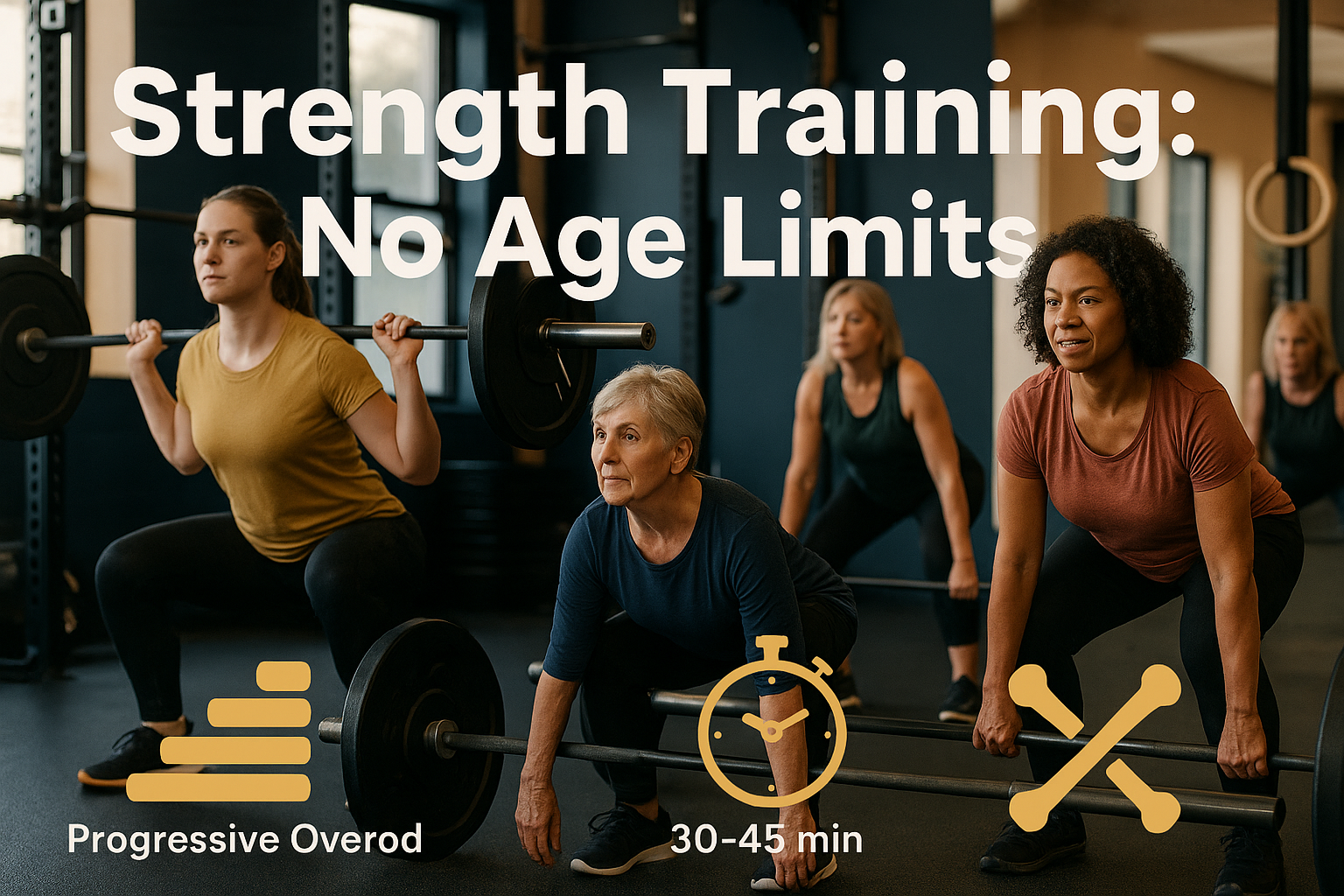
A well-designed strength training program can deliver exceptional results in 30-45 minutes, 3-4 times per week. The secret is focusing on compound movements that work multiple muscle groups simultaneously, rather than spending time on isolation exercises.
Compound exercises include:
- Squats (legs, glutes, core)
- Deadlifts (posterior chain, core, grip)
- Bench press (chest, shoulders, triceps)
- Rows (back, biceps, core)
- Overhead press (shoulders, triceps, core)
- Lunges (legs, glutes, balance)
These movements give you the most bang for your buck, building functional strength that translates to real-world activities. Women benefit from the exact same compound lifts as men—there's no need for specialized "female-only" workout plans [9].
Efficient Training Strategies
To maximize your limited gym time, consider these approaches:
Supersets: Pair two exercises back-to-back with minimal rest (example: squats followed immediately by rows)
Circuits: Perform 3-5 exercises in sequence with short rest periods, then repeat the circuit
EMOM (Every Minute on the Minute): Complete a set number of reps at the start of each minute, resting for the remainder
Density training: Perform as much work as possible within a set timeframe (example: as many rounds as possible in 20 minutes)
I've personally found that focused 40-minute sessions produce better results than unfocused 90-minute workouts. It's about intensity and intentionality, not duration.
For those looking to complement gym sessions with home workouts, explore these cardio workouts at home that fit into busy schedules.
Myth #5: Strength Training is Dangerous for Women
This myth often comes from well-meaning concern but is rooted in outdated gender stereotypes that paint women as fragile. The reality is that strength training is not only safe for women—it's one of the most beneficial forms of exercise for long-term health.
The Bone Health Connection
One of the most compelling reasons for women to strength train is its impact on bone mineral density. As women age, particularly after menopause, the risk of osteoporosis increases dramatically. Osteoporosis leads to fragile bones that fracture easily, causing serious health complications and reduced quality of life.
Strength training is one of the most effective interventions for maintaining and even increasing bone density [10]. When you lift weights, the stress placed on your bones stimulates them to become stronger and denser. This protective effect is crucial for women at all life stages but becomes increasingly important with age.
The beautiful part? You don't need to lift extremely heavy weights to get these benefits. Research shows that light and moderate weights are equally effective at improving bone health when performed consistently [11].
Injury Prevention
Far from being dangerous, strength training actually reduces injury risk in both athletic and everyday contexts. Stronger muscles, tendons, and ligaments provide better support for your joints and improve movement patterns that prevent common injuries like:
- Lower back pain
- Knee injuries
- Shoulder problems
- Ankle sprains
- Hip issues
I've witnessed women in their 60s and 70s transform their lives through strength training, moving from chronic pain and limited mobility to active, independent lifestyles. The key is starting appropriately for your current fitness level and progressing sensibly.
Proper Form is Key
The actual risk in strength training comes not from the activity itself but from poor form or inappropriate progression. This is why learning proper technique is essential. Consider:
- Working with a qualified personal trainer initially
- Recording your lifts to check form
- Starting with bodyweight or light resistance
- Progressing gradually as technique improves
- Listening to your body and distinguishing between productive muscle fatigue and pain
When performed correctly, strength training is remarkably safe and offers protective benefits that extend far beyond the gym.
Myth #6: Women Need Special "Female-Only" Workouts
Walk into any gym or browse fitness magazines, and you'll find workout programs specifically marketed to women. These often emphasize certain body parts (glutes, thighs, abs) while avoiding others, and typically recommend lighter weights and higher reps. But here's the truth: muscles respond to challenge and consistency regardless of gender.
The Fundamentals Apply to Everyone
The basic principles of strength training—progressive overload, adequate recovery, proper nutrition, and consistency—apply equally to men and women. Your muscles don't know or care about your gender; they respond to the stimulus you provide.
Women benefit from the same training methodologies that work for men:
- Periodization (varying training variables over time)
- Progressive overload (gradually increasing demands)
- Compound movements (multi-joint exercises)
- Adequate protein intake (supporting muscle recovery)
- Proper recovery (allowing muscles to adapt)
The idea that women need fundamentally different training is a marketing construct, not a physiological reality.
Tailoring to Individual Goals
This doesn't mean everyone should follow identical programs. Your specific training should align with your individual goals, preferences, and circumstances—not your gender. Some women want to maximize strength, others prioritize muscle definition, and still others focus on functional fitness for sports or daily activities.
The program design should reflect these personal goals, not arbitrary gender-based assumptions. A woman training for powerlifting will have a different program than one training for general fitness, just as men in those categories would have different programs.
The Menstrual Cycle Consideration
One area where women's training might differ involves the menstrual cycle. Some research suggests that women might benefit from adjusting training intensity based on their cycle phase. However, more recent evidence indicates that women can strength train and produce the same results during both their follicular and luteal menstrual phases, with cycle phase not significantly affecting training outcomes [12].
Some women feel stronger at certain points in their cycle and may choose to adjust training accordingly, but it's not a requirement for results. Listen to your body and adjust as needed, but don't feel obligated to follow complex cycle-based programming unless it resonates with you.
For those interested in overall wellness approaches that complement strength training, explore optimal nutrition for women's health.
Myth #7: Strength Training Isn't Effective During Menopause
Many women believe that menopause marks the end of their ability to build muscle or maintain strength. This couldn't be further from the truth. While hormonal changes during menopause do affect the body, strength training remains highly effective and becomes even more important during this life stage.
Understanding Menopause and Muscle
It's commonly believed that the estrogen decline during menopause is primarily responsible for muscle loss. However, research shows that menopause-related muscle loss is not primarily driven by estrogen decline [13]. Instead, it's more closely related to aging, reduced physical activity, and inadequate protein intake—all factors that strength training and proper nutrition can address.
In fact, strength training can improve menopause symptoms including:
- Hot flashes and night sweats
- Mood changes and depression
- Sleep quality
- Bone density loss
- Metabolic slowdown
- Body composition changes
Building Strength at Any Age
Women in their 50s, 60s, and beyond can absolutely build muscle and strength. The process might be slightly slower than in younger years, but the benefits are profound. Studies consistently show that older women who strength train experience:
- Maintained or increased muscle mass
- Improved functional independence
- Better balance and fall prevention
- Enhanced cognitive function
- Improved quality of life
I've worked with women who started strength training in their 60s and achieved things they never thought possible—deadlifting their body weight, doing push-ups for the first time, and feeling stronger than they did in their 30s.
The Anti-Aging Benefits
Strength training is perhaps the closest thing we have to an anti-aging intervention. It combats sarcopenia (age-related muscle loss), maintains metabolic health, preserves bone density, and supports functional capacity that allows for independent living well into advanced age.
If you're in or approaching menopause, strength training isn't just beneficial—it's essential for maintaining health and vitality. For additional support during this transition, consider exploring best weight loss strategies for women over 50 that complement your training.
Myth #8: You Need Extreme Amounts of Protein
The fitness industry has created considerable confusion around protein requirements, particularly for women. While protein is indeed essential for muscle recovery and growth, you don't need the extreme amounts sometimes promoted by fitness influencers and supplement companies.
Realistic Protein Requirements
For women engaged in regular strength training, research suggests a protein intake of approximately 1.6-2.2 grams per kilogram of body weight (0.7-1.0 grams per pound) is sufficient to support muscle growth and recovery [14]. For a 150-pound woman, this translates to roughly 105-150 grams of protein daily.
This is substantially more than the general RDA (Recommended Dietary Allowance) but far less than the 200+ grams sometimes recommended. Most women can easily meet these requirements through whole food sources without relying heavily on supplements.
Quality Protein Sources
Focus on incorporating diverse protein sources throughout the day:
Animal-based:
- Chicken, turkey, lean beef
- Fish and seafood
- Eggs and egg whites
- Greek yogurt and cottage cheese
Plant-based:
- Legumes (beans, lentils, chickpeas)
- Tofu and tempeh
- Quinoa and other whole grains
- Nuts and seeds
Spreading protein intake across 3-4 meals optimizes muscle protein synthesis better than consuming it all at once. Aim for 20-40 grams per meal rather than trying to hit your entire daily target in one sitting.
The Supplement Question
Protein supplements can be convenient, but they're not necessary. They're tools, not requirements. If you struggle to meet your protein needs through whole foods due to time constraints, dietary preferences, or appetite, a quality protein powder can help fill the gap.
However, whole foods offer additional nutrients—vitamins, minerals, fiber, and phytonutrients—that supplements don't provide. Prioritize real food first, and use supplements strategically if needed.
For those interested in comprehensive nutrition approaches, explore the smoothie diet as a way to incorporate protein and nutrients conveniently.
Myth #9: Strength Training Will Make You Inflexible
There's a persistent belief that building muscle through strength training will make you "muscle-bound" and inflexible. This myth likely stems from observing bodybuilders with limited range of motion, but it's a result of their specific training approaches, not an inevitable consequence of strength training.
The Flexibility Truth
When performed through a full range of motion, strength training actually improves flexibility and joint mobility. Exercises like squats, deadlifts, and overhead presses require and develop significant flexibility when performed correctly.
The key is training through complete ranges of motion rather than partial reps. For example:
- Full squats (breaking parallel) develop hip and ankle mobility
- Romanian deadlifts improve hamstring flexibility
- Overhead presses enhance shoulder mobility
- Pull-ups maintain shoulder and lat flexibility
Combining Strength and Flexibility
The ideal approach combines strength training with dedicated mobility work. This doesn't mean you need to spend hours stretching—10-15 minutes of targeted mobility work several times per week, plus dynamic warm-ups before training, is typically sufficient.
Many women find that practices like yoga complement their strength training beautifully, providing both flexibility work and mental benefits. The combination of women's yoga and strength training creates a well-rounded fitness foundation.
Preventing Stiffness
If you do experience stiffness from strength training, it's typically due to:
- Inadequate warm-up
- Skipping cool-down and stretching
- Insufficient recovery between sessions
- Dehydration
- Not training through full ranges of motion
Address these factors, and you'll find that strength training enhances rather than limits your movement capacity.
Myth #10: Results Come Quickly and Easily
In our instant-gratification culture, it's tempting to believe the marketing claims promising dramatic transformations in 30 days or less. While you will notice improvements relatively quickly, building significant strength and changing your body composition is a long-term investment that requires patience and consistency.
Realistic Timelines
Here's what you can realistically expect:
Weeks 1-4: Neural adaptations occur, making you feel stronger even before significant muscle growth. You'll notice improved coordination and technique.
Weeks 4-8: Early muscle growth becomes visible, especially if you're new to training. Energy levels and mood improve noticeably.
Weeks 8-16: More significant changes in muscle definition and body composition become apparent. Strength gains continue steadily.
Months 4-12: Substantial transformation in physique, strength, and overall fitness. This is where the real magic happens.
Year 2+: Continued refinement and progression. You're now an experienced lifter with a solid foundation.
The Consistency Factor
The women who achieve the most impressive transformations aren't those who follow perfect programs—they're the ones who show up consistently, week after week, month after month. Consistency beats perfection every single time.
You don't need to train perfectly; you need to train regularly. Missing occasional workouts won't derail your progress, but inconsistent training patterns will. Aim for 3-4 strength sessions weekly, and stick with it for months, not weeks.
Measuring Progress Beyond the Scale
The scale is a notoriously poor measure of strength training progress. As you build muscle and lose fat, your weight might stay the same or even increase slightly while your body composition improves dramatically.
Better progress indicators include:
- Strength increases (lifting heavier weights)
- Performance improvements (more reps, better form)
- How clothes fit (often a better indicator than weight)
- Progress photos (visual changes over time)
- Energy levels and mood
- Body measurements (waist, hips, arms, etc.)
For tracking overall fitness progress, use tools like a calorie calculator to ensure your nutrition supports your training goals.
Getting Started: Your Action Plan 🎯
Now that we've demolished the most common strength training myths for women, let's talk about how to actually begin. Taking that first step can feel intimidating, but it doesn't have to be complicated.
Week 1-2: Foundation Building
Focus: Learn basic movement patterns with bodyweight or very light weights
- Squats (bodyweight or goblet squats)
- Push-ups (modified on knees if needed)
- Rows (using resistance bands or light dumbbells)
- Planks (building core strength)
- Glute bridges (activating posterior chain)
Perform these exercises 2-3 times weekly, focusing entirely on form rather than weight or intensity. Record yourself or work with a trainer to ensure proper technique.
Week 3-4: Adding Resistance
Focus: Introduce external resistance while maintaining good form
Begin adding weight to your movements—dumbbells, barbells, or resistance bands. Start conservatively; you can always increase weight next session. Aim for 3 sets of 8-12 repetitions for each exercise.
Week 5-8: Progressive Overload
Focus: Gradually increase demands on your muscles
Each week, try to either:
- Add 2.5-5 pounds to your lifts
- Complete 1-2 more repetitions
- Add an additional set
- Decrease rest periods slightly
Track your workouts in a notebook or app to ensure you're progressing.
Month 3+: Program Design
Focus: Follow a structured program aligned with your goals
At this point, consider following a established program or working with a coach to design a periodized training plan. Your program should include:
- Progressive overload built into the structure
- Variety to prevent plateaus and boredom
- Deload weeks every 4-6 weeks for recovery
- Goal-specific programming (strength, hypertrophy, or general fitness)
For additional workout ideas, explore best weight loss workouts that can complement your strength training.
Common Mistakes to Avoid ⚠️
As you embark on your strength training journey, watch out for these common pitfalls:
1. Doing Too Much Too Soon
Enthusiasm is wonderful, but jumping into intense training six days per week will lead to burnout, injury, or both. Start with 2-3 sessions weekly and build from there.
2. Neglecting Recovery
Muscles grow during recovery, not during training. Ensure you're getting:
- 7-9 hours of sleep nightly
- 48 hours between training the same muscle groups
- Adequate nutrition to support recovery
- Active recovery like walking on rest days
3. Comparing Yourself to Others
Your journey is uniquely yours. The woman lifting heavy weights next to you might have been training for years. Focus on your own progress and celebrate your victories, no matter how small they seem.
4. Ignoring Nutrition
You can't out-train a poor diet. While you don't need to be perfect, ensuring adequate protein, staying hydrated, and eating sufficient calories to support your training will dramatically impact your results.
5. Skipping Warm-Ups
Five to ten minutes of dynamic movement before lifting prepares your body for training and significantly reduces injury risk. Don't skip this crucial step.
The Mental and Emotional Benefits 🧠
While we've focused primarily on the physical aspects of strength training, the mental and emotional benefits are equally transformative and deserve recognition.
Confidence and Empowerment
There's something profoundly empowering about discovering physical strength you didn't know you possessed. Lifting a weight you once thought impossible creates a confidence that extends far beyond the gym. This newfound self-assurance influences how you approach challenges in all areas of life.
Stress Relief and Mental Health
Strength training provides an outlet for stress and anxiety. The focus required during training creates a meditative state that quiets mental chatter. Additionally, the endorphins released during exercise improve mood and combat depression [15].
Many women report that their training time becomes sacred—a period dedicated entirely to themselves in lives often spent caring for others.
Body Appreciation
Strength training shifts your relationship with your body from aesthetic-focused to performance-focused. Instead of obsessing over how your body looks, you begin appreciating what it can do. This mental shift is incredibly liberating and promotes a healthier body image.
Community and Connection
Whether you join a gym, participate in group classes, or connect with others online, strength training often leads to meaningful connections with like-minded women. This community support enhances adherence and makes the journey more enjoyable.
Conclusion: Your Strength Journey Starts Now
The strength training myths for women we've explored in this comprehensive guide have held too many women back for too long. It's time to reject these limiting beliefs and embrace the transformative power of lifting weights.
You won't become bulky unless you specifically train for years with that goal. You don't need hours in the gym or extreme protein intake. You're not too old, and it's not dangerous when done properly. The weights section of the gym isn't just for men—it's for anyone who wants to become stronger, healthier, and more capable.
Your Next Steps
Start this week—don't wait for the "perfect" time or until you "know enough." Begin with bodyweight exercises or light weights and learn as you go.
Focus on compound movements—squats, deadlifts, presses, and rows give you the most benefit for your time investment.
Track your progress—keep a training log to ensure you're progressively overloading your muscles.
Be patient and consistent—results take time, but they're absolutely worth the wait.
Seek support—whether through a trainer, online community, or workout partner, connection enhances success.
Celebrate every victory—adding 5 pounds to your squat, completing an extra rep, or simply showing up on a tough day are all worth celebrating.
The strength you build in the gym will ripple through every aspect of your life. You'll move through the world differently—more confidently, more capably, more powerfully. The myths that once held you back will seem absurd in retrospect.
Your body is capable of amazing things. It's time to discover just how strong you really are. 💪
Ready to transform your fitness journey? Start by exploring how to get fit with a comprehensive approach that includes strength training as a cornerstone of your program.
References
[1] American College of Sports Medicine. (2009). Progression models in resistance training for healthy adults. Medicine & Science in Sports & Exercise, 41(3), 687-708.
[2] Vingren, J. L., et al. (2010). Testosterone physiology in resistance exercise and training: the up-stream regulatory elements. Sports Medicine, 40(12), 1037-1053.
[3] Staron, R. S., et al. (1994). Strength and skeletal muscle adaptations in heavy-resistance-trained women after detraining and retraining. Journal of Applied Physiology, 77(2), 631-640.
[4] Schoenfeld, B. J., et al. (2017). Strength and hypertrophy adaptations between low- vs. high-load resistance training: a systematic review and meta-analysis. Journal of Strength and Conditioning Research, 31(12), 3508-3523.
[5] Wang, Z., et al. (2010). Specific metabolic rates of major organs and tissues across adulthood. The American Journal of Clinical Nutrition, 92(6), 1369-1377.
[6] Borsheim, E., & Bahr, R. (2003). Effect of exercise intensity, duration and mode on post-exercise oxygen consumption. Sports Medicine, 33(14), 1037-1060.
[7] Roberts, B. M., et al. (2020). Sex differences in resistance training: a systematic review and meta-analysis. Journal of Strength and Conditioning Research, 34(5), 1448-1460.
[8] Westcott, W. L. (2012). Resistance training is medicine: effects of strength training on health. Current Sports Medicine Reports, 11(4), 209-216.
[9] Gentil, P., et al. (2017). A review of the acute effects and long-term adaptations of single- and multi-joint exercises during resistance training. Sports Medicine, 47(5), 843-855.
[10] Layne, J. E., & Nelson, M. E. (1999). The effects of progressive resistance training on bone density: a review. Medicine & Science in Sports & Exercise, 31(1), 25-30.
[11] Watson, S. L., et al. (2018). High-intensity resistance and impact training improves bone mineral density and physical function in postmenopausal women. Journal of Bone and Mineral Research, 33(3), 557-566.
[12] Sung, E., et al. (2014). Effects of follicular versus luteal phase-based strength training in young women. SpringerPlus, 3, 668.
[13] Maltais, M. L., et al. (2009). Changes in muscle mass and strength after menopause. Journal of Musculoskeletal and Neuronal Interactions, 9(4), 186-197.
[14] Morton, R. W., et al. (2018). A systematic review, meta-analysis and meta-regression of the effect of protein supplementation on resistance training-induced gains in muscle mass and strength in healthy adults. British Journal of Sports Medicine, 52(6), 376-384.
[15] Gordon, B. R., et al. (2018). Association of efficacy of resistance exercise training with depressive symptoms: meta-analysis and meta-regression analysis of randomized clinical trials. JAMA Psychiatry, 75(6), 566-576.
SEO Meta Title and Description
Meta Title: Strength Training Myths for Women Debunked | 2025 Guide
Meta Description: Discover the truth about strength training myths for women. Learn why lifting won't make you bulky, how to build strength safely, and start your transformation today.
Frequently Asked Questions
No, strength training won’t make you bulky unless you’re following a specific diet and training regimen aimed at muscle gain. Instead, it helps tone your muscles and improves your overall physique.
Absolutely not! Strength training is for everyone, regardless of fitness level. It can improve your everyday activities, boost metabolism, and enhance overall health.
While lifting heavier weights can be effective, it’s more about the consistency and the correct form you’re using. You can also see great results with lighter weights as long as you’re challenging yourself.
Rest and recovery are crucial for muscle growth and overall health, so it’s important to allow your muscles time to repair. Aim for 2-3 days of strength training per week for best results.
On the contrary, strength training can actually aid in weight loss by building muscle, which burns more calories at rest. Incorporating it into your routine can help you achieve a healthier, more sustainable weight.
 DK Gets Fit Team