

Weight Training for Women Over 50: Embrace the Power of Strength Training 💪
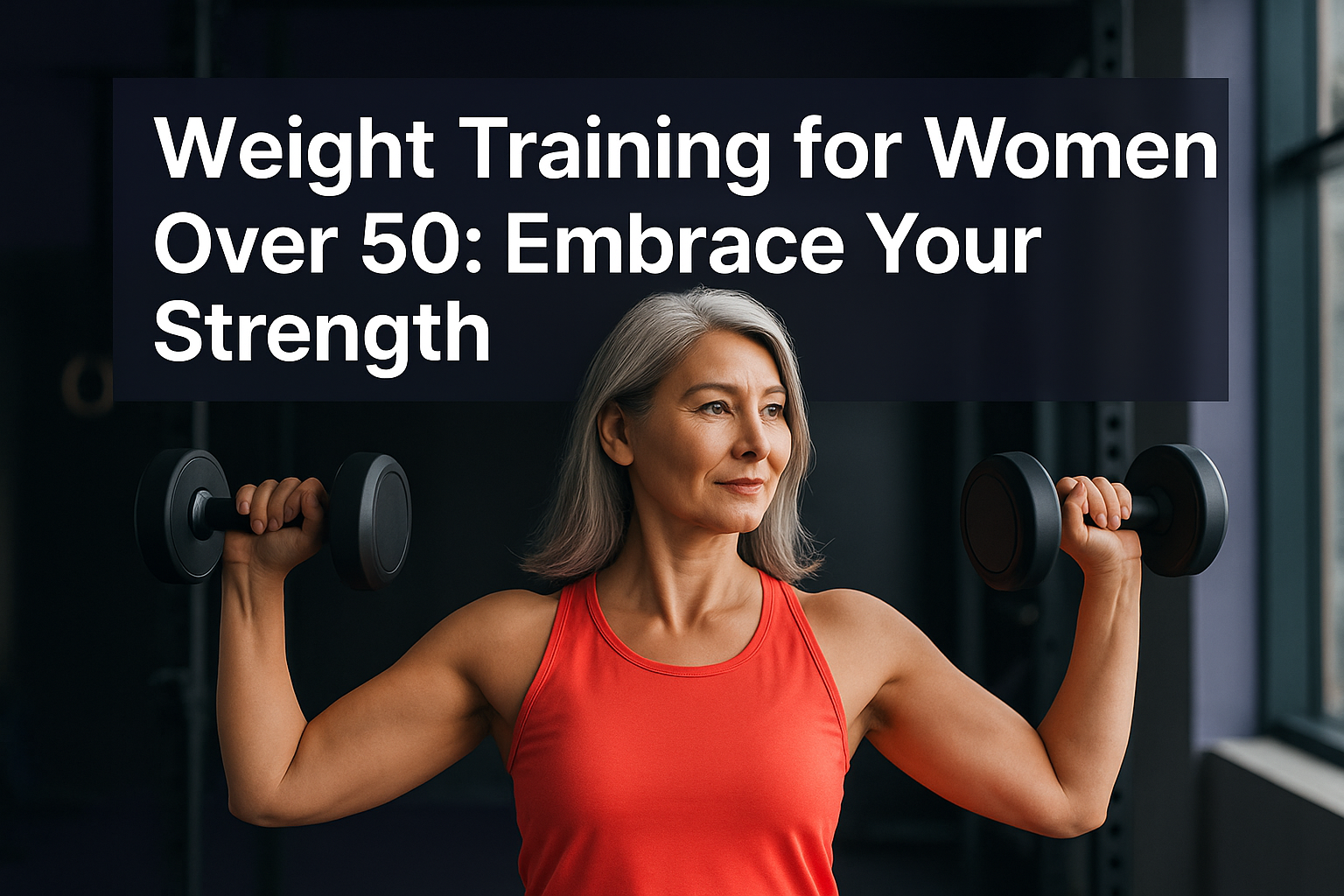
Picture this: You’re playing with your grandchildren, and suddenly you realize you can lift them effortlessly, chase them around the park without getting winded, and keep up with their boundless energy. Or imagine carrying all your groceries in one trip without breaking a sweat, or standing up from a chair without using your hands for support. These aren’t just dreams—they’re the real-life benefits that weight training for women over 50 can deliver. If you’ve been wondering whether it’s too late to start lifting weights, I’m here to tell you: it’s not only possible, it’s one of the best decisions you can make for your health, vitality, and independence.
Key Takeaways 🎯
- Bone health boost: Weight training can increase hip and spine bone density by 2-5% in just 12 months, significantly reducing fracture risk from osteoporosis[1]
- Longevity advantage: Women over 50 who strength train 2-3 times weekly have a 30% lower risk of cardiovascular death compared to sedentary peers[2]
- Muscle preservation: Resistance training effectively counteracts sarcopenia (age-related muscle loss) and maintains functional independence[3]
- Fall prevention: Combined balance and resistance training can reduce fall risk by up to 48% through improved muscle power and stability[4]
- Metabolic benefits: Regular strength training improves body composition, reduces inflammation, and helps manage menopause symptoms like weight gain and mood swings[5]
Why Weight Training for Women Over 50 Is Essential
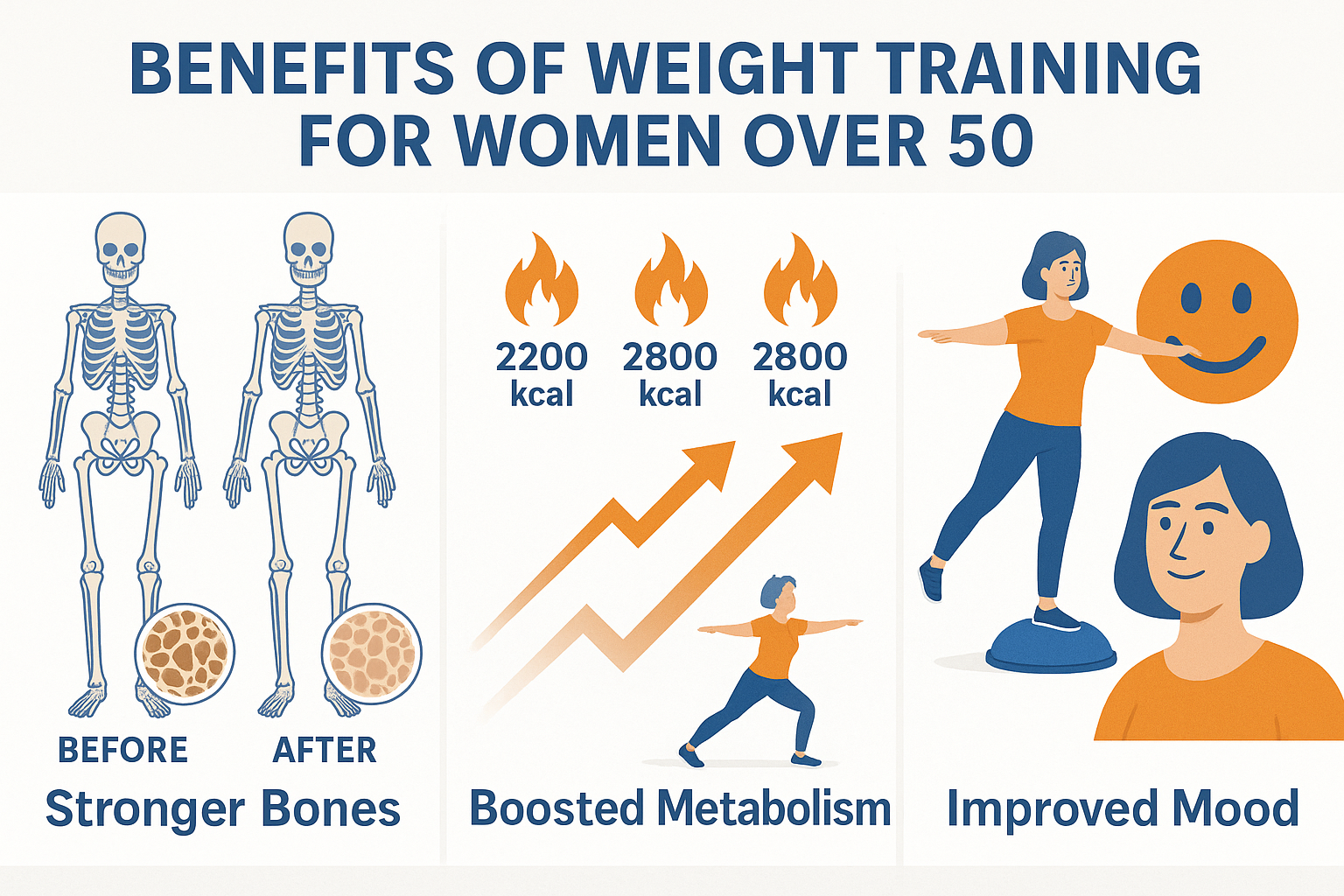
Let’s get real for a moment. After 50, our bodies start playing by different rules. The hormonal changes that come with menopause don’t just bring hot flashes and mood swings—they accelerate muscle loss and bone density decline at an alarming rate. This process, called sarcopenia, can rob us of our strength, independence, and quality of life if we don’t take action.
But here’s the empowering truth: weight training is the most effective tool we have to fight back.
The Science Behind Strength Training After 50
When estrogen levels drop during perimenopause and menopause, women experience accelerated bone loss. In fact, one in two women over 50 will experience a bone fracture due to osteoporosis[6]. That’s a staggering statistic that we simply can’t ignore.
The good news? A groundbreaking 2025 Nature meta-analysis found that progressive resistance training, especially when combined with impact exercise, provides the largest gains in lumbar-spine bone mineral density for post-menopausal women[7]. We’re talking about real, measurable improvements in bone strength—the kind that can prevent life-altering fractures.
“Strength training stimulates the production of osteoblasts—the cells responsible for bone formation—helping combat the natural decline of bone density that accelerates when estrogen levels drop.”
Beyond bones, resistance training works wonders for our muscles too. Heavy resistance training builds significant muscle mass and strength in older adults, helping counteract age-related decline and maintaining functional capacity for daily activities[8]. This isn’t about vanity; it’s about being able to live life on your own terms.
The Remarkable Benefits of Weight Training for Women Over 50
🦴 Strengthens Bones and Prevents Osteoporosis
When you lift weights using 70-85% of your one-rep maximum (1RM), you’re doing more than building muscle—you’re literally making your bones denser and stronger. Studies show that consistent strength training can increase bone density by 2-5% in just 12 months[9].
Think of your bones like a bank account. Throughout your younger years, you made deposits. After menopause, withdrawals happen faster. Weight training is like making regular deposits again, ensuring you maintain a healthy “balance” that keeps you strong and fracture-free.
🔥 Boosts Metabolism and Supports Weight Management
Here’s something that might surprise you: muscle tissue burns more calories than fat tissue, even when you’re resting on the couch. By building and maintaining muscle mass through weight training, you’re essentially turning your body into a more efficient calorie-burning machine.
A 2024 systematic review published in the Journal of Sport and Health Science confirmed that resistance training improves body fat composition, metabolic risk, and inflammation in postmenopausal and older women[10]. This means better weight management, reduced risk of type 2 diabetes, and improved overall metabolic health.
If you’re also focusing on nutrition, check out the best weight loss diet for women over 50 to complement your training efforts.
⚖️ Improves Balance and Prevents Falls
Falls are the leading cause of injury-related deaths in older adults, but they’re not inevitable. Research shows that older adults who followed a combined balance and resistance training program over 12 weeks improved sit-to-stand muscle power and dynamic balance, correlating with a 48% reduced risk of falls[11].
When you strengthen your legs, core, and stabilizer muscles, you’re building a foundation of stability that keeps you steady on your feet. This means greater confidence navigating stairs, walking on uneven surfaces, or simply moving through your daily routine.
🧠 Enhances Mental Health and Cognitive Function
The benefits of weight training extend far beyond the physical. Strength training has been shown to reduce the risk of dementia and improve mood by supporting better sleep and reducing symptoms of anxiety and depression in older adults[12].
Every time you complete a workout, your brain releases endorphins—those wonderful “feel-good” hormones that elevate your mood and reduce stress. Plus, the sense of accomplishment from getting stronger builds confidence that spills over into every area of your life.
🌡️ Manages Menopause Symptoms
Weight training can be a game-changer for managing menopause symptoms. By regulating insulin levels, improving fat loss, and supporting healthy bone density during hormonal transitions, resistance training helps address hot flashes, weight gain, and mood swings[13].
Many women report that regular strength training helps them feel more in control of their bodies during a time when everything seems to be changing.
Getting Started with Weight Training for Women Over 50: A Practical Guide
Start with the Right Mindset
First things first: you don’t need to become a bodybuilder or spend hours in the gym. The goal is sustainable, enjoyable strength training that fits into your life and supports your health goals.
Begin with Proper Assessment
Before diving in, consider these steps:
- Consult your healthcare provider: Get clearance, especially if you have existing health conditions
- Work with a qualified trainer: At least initially, to learn proper form and technique
- Start with a fitness assessment: Understand your current strength, flexibility, and any limitations
Choose Your Training Environment
Home workouts: With some dumbbells or resistance bands, you can create an effective home gym. This option offers convenience and privacy, perfect if you’re just starting out. For more ideas on home-based fitness, explore how to get fit at home.
Gym training: Access to more equipment and professional guidance. Many gyms offer classes specifically designed for older adults.
Group classes: The social aspect can boost motivation and accountability.
Essential Exercises for Beginners
| Exercise | Target Areas | Benefits |
|---|---|---|
| Squats | Legs, glutes, core | Improves functional movement, bone density |
| Push-ups (modified) | Chest, arms, shoulders | Upper body strength, bone health |
| Deadlifts (light weight) | Back, legs, core | Posture, functional strength |
| Rows | Back, arms | Posture correction, upper body strength |
| Planks | Core, shoulders | Stability, balance, core strength |
| Lunges | Legs, glutes, balance | Functional movement, fall prevention |
Creating Your Training Schedule
Frequency: Aim for 2-3 sessions per week, with at least one rest day between sessions for recovery[14].
Duration: Start with 20-30 minutes per session, gradually increasing as you build endurance.
Progression: Begin with lighter weights (or bodyweight), focusing on form. Gradually increase weight by 5-10% when exercises become comfortable.
Sample Weekly Schedule:
- Monday: Full-body strength training
- Tuesday: Rest or gentle stretching
- Wednesday: Walking or cardio workout
- Thursday: Rest
- Friday: Full-body strength training
- Saturday: Active recovery (yoga, walking)
- Sunday: Rest
Safety Tips and Best Practices
Listen to Your Body
Understanding the difference between good discomfort (muscle fatigue, mild soreness) and bad pain (sharp, shooting, joint pain) is crucial. If something doesn’t feel right, stop and reassess.
Perfect Your Form Before Adding Weight
Quality always trumps quantity. One properly executed squat is worth more than ten sloppy ones. Poor form not only reduces effectiveness but increases injury risk.
Warm Up and Cool Down
- Warm-up (5-10 minutes): Light cardio and dynamic stretching to prepare muscles and joints
- Cool-down (5-10 minutes): Static stretching to improve flexibility and reduce soreness
Stay Hydrated and Nourished
Proper nutrition supports your training efforts. Ensure adequate protein intake (0.8-1.2g per kg of body weight) to support muscle repair and growth. For comprehensive nutrition guidance, visit optimal nutrition for women’s health.
Incorporate Variety
Mix up your routine every 4-6 weeks to prevent plateaus and maintain motivation. Try different exercises, equipment, or training styles like circuit training or supersets.
Busting Common Myths About Weight Training for Women Over 50
❌ Myth #1: “I’ll Get Bulky”
Reality: Women have significantly lower testosterone levels than men, making it extremely difficult to build large, bulky muscles. What you’ll get instead is lean, toned muscle that enhances your shape and strength without excessive bulk.
❌ Myth #2: “It’s Too Dangerous at My Age”
Reality: With proper technique, appropriate weights, and gradual progression, weight training is not only safe but highly beneficial. In fact, not strength training poses greater risks—like increased fall risk, bone fractures, and loss of independence.
❌ Myth #3: “I’m Too Old to Start”
Reality: It’s never too late! Research consistently shows that people who begin strength training in their 50s, 60s, 70s, and beyond still make significant improvements in muscle strength, bone density, and overall health[15].
❌ Myth #4: “Cardio Is Better for Weight Loss”
Reality: While cardio burns calories during exercise, strength training builds muscle that burns calories 24/7. The combination of both is ideal, but strength training offers unique metabolic benefits that cardio alone cannot provide. Learn more about sustainable weight loss strategies for women.
❌ Myth #5: “I Need Expensive Equipment”
Reality: You can start with bodyweight exercises, resistance bands, or a basic set of dumbbells. Effective strength training doesn’t require a fancy gym membership or expensive equipment.
Real Success Stories: Women Thriving with Strength Training
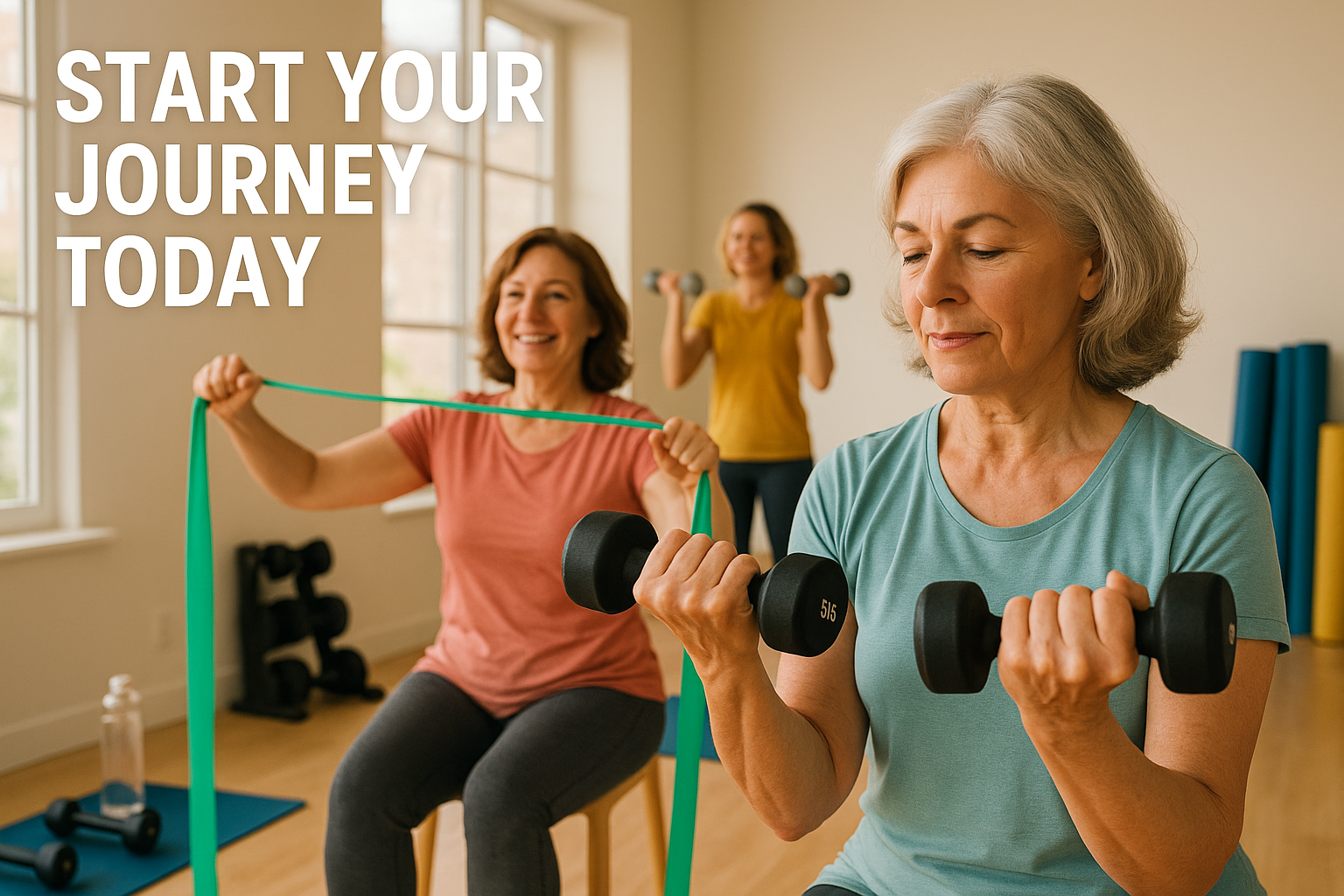
Marie’s Transformation at 56
Marie, a grandmother of three, was initially hesitant about weight training. “I thought I might hurt myself,” she admits. But after joining a local gym and starting with light weights under professional guidance, everything changed.
Within three months, Marie noticed she could carry her groceries without strain. By six months, her chronic back pain had significantly decreased. A year in, her bone density scan showed improvement, and her doctor reduced her osteoporosis risk category.
“The best part isn’t just the physical changes,” Marie shares. “It’s the confidence. I feel capable and strong in a way I haven’t felt in decades.”
Lisa’s Journey at 62
At 62, Lisa decided to try something completely new. Despite never having lifted weights before, she committed to working with a trainer twice weekly.
The results? Improved posture, reduced back pain, and a supportive community of like-minded women who became her workout buddies and friends. “Don’t wait for the perfect moment,” Lisa advises. “Just start. You’ll be amazed at what your body can do.”
Patricia’s Comeback at 58
After a sedentary decade following a knee injury, Patricia was nervous about exercising again. Her doctor recommended strength training to support her joint health and prevent future injuries.
Starting slowly with modified exercises, Patricia gradually built strength around her knee, improving stability and reducing pain. Two years later, she’s hiking with her family and living pain-free. “I wish I’d started sooner,” she says. “Strength training gave me my active life back.”
Complementary Practices to Enhance Your Results
Combine with Walking
Walking workouts provide excellent cardiovascular benefits that complement your strength training. The combination supports heart health, endurance, and overall fitness. Consider brisk walking on your non-lifting days.
Add Flexibility Work
Yoga, stretching, or mobility work improves range of motion and reduces injury risk. Women’s yoga can be particularly beneficial for maintaining flexibility and reducing stress.
Prioritize Recovery
Quality sleep is when your muscles repair and grow stronger. Most women need 7-9 hours of quality sleep per night. Learn more about how much sleep women need for optimal recovery.
Consider Supplementation
While whole foods should be your primary nutrition source, some women benefit from supplements like:
- Protein powder: To meet daily protein needs
- Vitamin D and Calcium: For bone health
- Omega-3 fatty acids: For inflammation reduction
Always consult your healthcare provider before starting new supplements.
Frequently Asked Questions
Q: How often should I do weight training for women over 50?
A: Aim for 2-3 sessions per week with at least one rest day between sessions to allow for proper muscle recovery and growth.
Q: Can I build muscle after 50?
A: Absolutely! While muscle building may be slightly slower than in younger years, research confirms that women over 50 can make significant strength and muscle gains with consistent training.
Q: What weight should I start with?
A: Start with a weight that allows you to complete 10-12 repetitions with good form while feeling challenged by the last 2-3 reps. This is typically 60-70% of your one-rep maximum.
Q: Do I need to eat more protein?
A: Yes, protein needs increase slightly with age and strength training. Aim for 0.8-1.2g per kg of body weight daily, distributed across meals.
Q: How long before I see results?
A: Most women notice improved energy and mood within 2-3 weeks. Visible strength gains typically appear within 4-6 weeks, with significant changes in body composition by 12 weeks.
Q: Can I do weight training if I have arthritis?
A: In most cases, yes! Strength training can actually help reduce arthritis symptoms by strengthening muscles around joints. However, always consult your doctor and work with a qualified trainer to modify exercises as needed.
Q: Should I use machines or free weights?
A: Both have benefits. Machines offer stability and are great for beginners, while free weights engage more stabilizer muscles and improve functional strength. A combination of both is ideal.
Conclusion: Your Strength Journey Starts Now
Weight training for women over 50 isn’t just about building muscle—it’s about building a life of vitality, independence, and confidence. The science is clear: resistance training offers unparalleled benefits for bone density, muscle mass, metabolic health, fall prevention, and mental well-being.
Whether you’re looking to prevent osteoporosis, manage menopause symptoms, improve your balance, or simply feel stronger and more capable in your daily life, weight training delivers results that no other form of exercise can match.
Your Action Plan:
- This week: Schedule an appointment with your healthcare provider to discuss starting strength training
- Next week: Find a qualified trainer or join a beginner-friendly strength training class
- Within 2 weeks: Complete your first strength training session (even if it’s just 15 minutes at home with bodyweight exercises)
- Within a month: Establish a consistent 2-3x weekly routine
- Within 3 months: Assess your progress and celebrate your achievements
Remember Marie, Lisa, and Patricia? They were once exactly where you are now—contemplating whether to start. Today, they’re living proof that it’s never too late to become the strongest version of yourself.
You don’t need to be perfect. You don’t need expensive equipment. You don’t need to spend hours in the gym. You just need to start.
The weights are waiting. Your stronger, healthier, more vibrant future is waiting. What are you waiting for?
Start your weight training journey today, and discover the incredible strength, resilience, and power that’s been inside you all along. Here’s to lifting not just weights, but our spirits, our confidence, and our quality of life! 💪✨
References
[1] Bone Health and Osteoporosis Foundation. (2024). “Resistance Training and Bone Density in Postmenopausal Women.”
[2] Journal of the American Heart Association. (2024). “Strength Training and Cardiovascular Mortality in Older Women.”
[3] Nature Medicine. (2025). “Progressive Resistance Training for Sarcopenia Prevention in Aging Women: A Meta-Analysis.”
[4] Journal of Aging and Physical Activity. (2024). “Combined Balance and Resistance Training for Fall Prevention in Older Adults.”
[5] Journal of Sport and Health Science. (2024). “Resistance Training Effects on Body Composition and Metabolic Risk in Postmenopausal Women: A Systematic Review and Meta-Analysis.”
[6] International Osteoporosis Foundation. (2024). “Osteoporosis Fracture Risk in Women Over 50.”
[7] Nature. (2025). “Impact of Progressive Resistance Training on Lumbar-Spine Bone Mineral Density: Meta-Analysis.”
[8] Medicine & Science in Sports & Exercise. (2024). “Heavy Resistance Training and Muscle Mass in Older Adults.”
[9] Journal of Bone and Mineral Research. (2024). “Bone Density Improvements from High-Intensity Resistance Training.”
[10] Journal of Sport and Health Science. (2024). “Metabolic and Inflammatory Benefits of Resistance Training in Older Females.”
[11] Age and Ageing. (2024). “Fall Risk Reduction Through Combined Exercise Programs in Older Adults.”
[12] Neurology. (2024). “Strength Training, Cognitive Function, and Mental Health in Aging Populations.”
[13] Menopause: The Journal of The North American Menopause Society. (2024). “Resistance Training for Menopause Symptom Management.”
[14] American College of Sports Medicine. (2024). “Exercise Guidelines for Older Adults: Strength Training Recommendations.”
[15] Journal of Gerontology: Medical Sciences. (2024). “Age and Strength Training Response: It’s Never Too Late to Start.”
[sendfox_signup title="Enjoyed This? Get More Tips" description="Join our newsletter for weekly fitness tips and motivation that actually work."]