

Walking vs Running Workouts: Complete Health Impact Comparison and Expert Tips for 2026
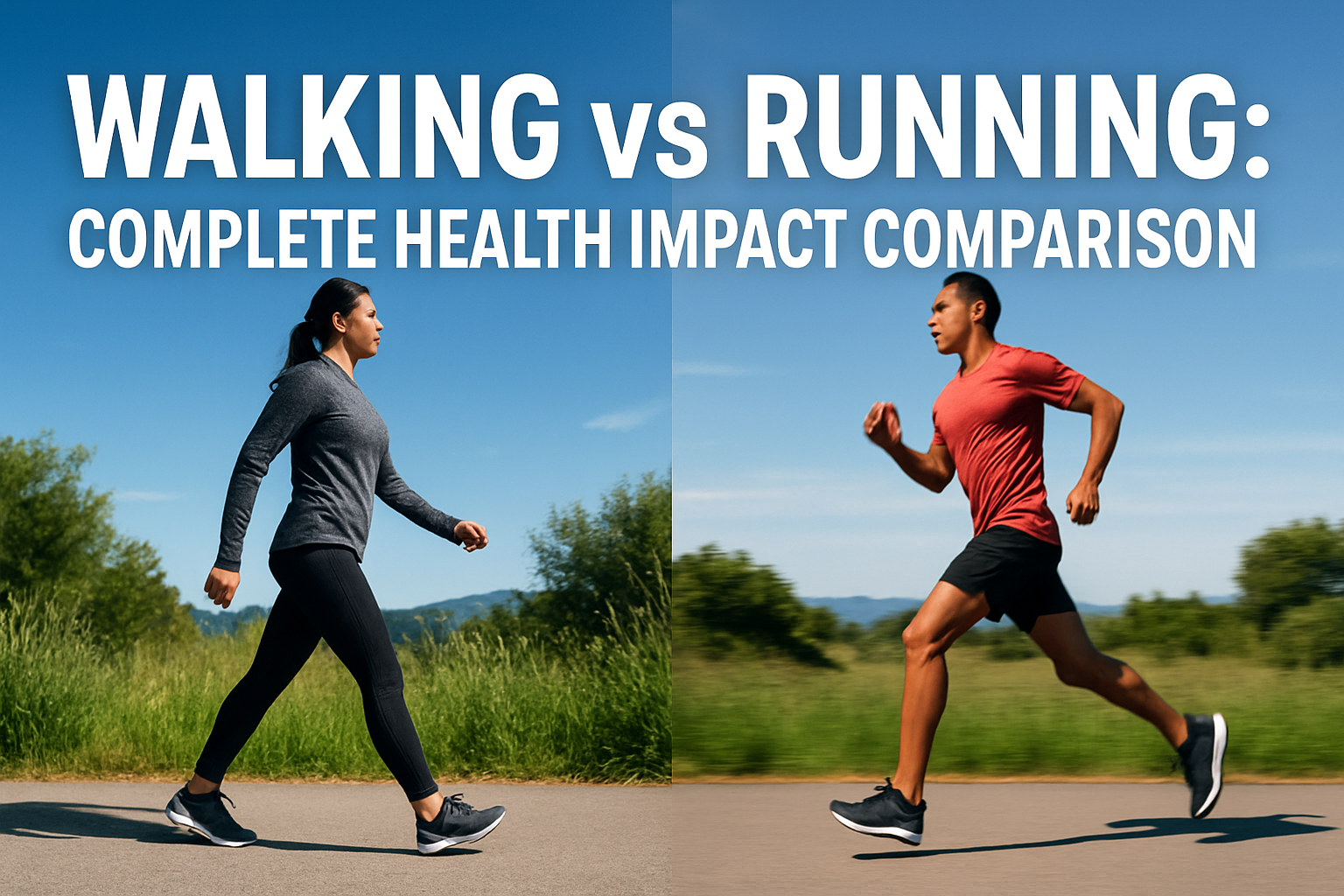
Have you ever stood at the crossroads of choosing between lacing up your sneakers for a brisk walk or hitting the pavement for an intense run? You’re not alone in this fitness dilemma. When it comes to walking vs running workouts and comparing their health impacts and tips for both, millions of people grapple with this decision daily, wondering which exercise will deliver the best results for their unique health goals and lifestyle.
The truth is, both walking and running offer incredible health benefits, but they serve different purposes and suit different people at various stages of their fitness journey. Whether you’re a complete beginner looking to establish a sustainable exercise routine or an experienced athlete seeking to optimize your training, understanding the nuances between these two fundamental forms of cardio can transform your approach to fitness.
Key Takeaways
• Walking is a low-impact, accessible exercise perfect for beginners, joint health, and long-term sustainability, with significant cardiovascular and mental health benefits
• Running provides higher calorie burn, improved cardiovascular fitness, and time-efficient workouts, but requires proper preparation and recovery
• Individual factors like fitness level, age, joint health, and personal goals should guide your choice between walking and running
• Both exercises can be equally effective for weight loss when combined with proper nutrition and consistency
• Progressive training allows you to start with walking and gradually incorporate running elements as your fitness improves
The Science Behind Walking and Running: Understanding the Fundamentals
When examining walking vs running workouts and comparing their health impacts, it’s essential to understand what happens in your body during each activity. Both exercises fall under the category of aerobic activity, but they engage your cardiovascular system, muscles, and joints in distinctly different ways.
Walking typically occurs at speeds between 2 and 4 mph and involves a gait in which one foot is always in contact with the ground. This creates a low-impact environment that generates forces of approximately 1-1.5 times your body weight through your joints. Your heart rate during brisk walking usually reaches 50-70% of your maximum heart rate, placing you in the moderate-intensity exercise zone.
Running, on the other hand, involves periods where both feet leave the ground simultaneously, creating impact forces of 2-3 times your body weight. Running speeds generally start around 5 mph and can reach much higher levels. Your heart rate during running typically climbs to 70-85% of your maximum, pushing you into the vigorous-intensity exercise category.
Research published in the Journal of the American College of Cardiology shows that both activities significantly reduce the risk of cardiovascular disease, but they achieve this through different mechanisms [1]. Walking excels at improving insulin sensitivity and reducing inflammation, while running provides superior improvements in VO2 max and cardiac output.
For those interested in maximizing their cardio benefits, understanding these physiological differences helps in making an informed choice about which exercise aligns with your health objectives.
Health Benefits Breakdown: Walking vs Running Impact Analysis
Cardiovascular Health Benefits
Both walking and running deliver substantial cardiovascular benefits, but their approaches differ significantly. A landmark study following 48,000 participants over 15 years found that runners had a 45% lower risk of cardiovascular disease mortality than sedentary individuals, while walkers had a 9.3% reduction [2].
However, when comparing equal energy expenditure, the benefits become more similar. Walking for longer durations can match many of running’s cardiovascular benefits when total calorie burn is equivalent. This finding is particularly relevant for individuals who prefer lower-intensity, longer-duration activities.
Walking Benefits:
- Improves circulation without excessive strain
- Lowers resting heart rate gradually
- Reduces blood pressure effectively
- Enhances cholesterol profiles
- Supports healthy blood sugar regulation
Running Benefits:
- Dramatically improves VO2 max
- Strengthens the heart muscle more intensively
- Increases cardiac output efficiency
- Enhances oxygen delivery to tissues
- Builds superior cardiovascular endurance
Weight Loss and Metabolic Impact
The calorie-burning potential of walking and running differs significantly, which directly affects weight-loss outcomes. Running burns approximately 100-150 calories per mile for most people, while walking burns 50-80 calories per mile, depending on pace, body weight, and terrain.
However, weight loss success isn’t solely about calorie burn during exercise. Walking offers unique metabolic advantages that support sustainable weight management:
- Lower cortisol response: Walking produces less stress hormone elevation, which can support better fat metabolism
- Improved fat oxidation: Moderate-intensity walking enhances your body’s ability to burn fat as fuel
- Better appetite regulation: Walking tends to suppress appetite more effectively than high-intensity running
- Sustainable consistency: The lower barrier to entry means you’re more likely to maintain a walking routine long-term
For comprehensive weight management strategies, combining either exercise with effective weight loss approaches creates the most sustainable results.
Joint Health and Injury Prevention
This area represents one of the most significant differences between walking and running. The impact forces generated during each activity create vastly different stress patterns on your joints, bones, and connective tissues.
Walking’s Joint-Friendly Profile:
- Minimal stress on knees, hips, and ankles
- Promotes joint lubrication through gentle movement
- Suitable for individuals with arthritis or joint concerns
- Lower risk of overuse injuries
- Supports bone density without excessive stress
Running’s Joint Considerations:
- Higher impact forces require proper preparation
- Strengthens bones through controlled stress (Wolff’s Law)
- Requires attention to proper form and footwear
- Higher injury risk, particularly for beginners
- May exacerbate existing joint issues
Research indicates that recreational runners don’t show increased rates of knee arthritis compared to non-runners, suggesting that moderate running can be joint-healthy when performed correctly [3]. However, the learning curve and preparation required for safe running is considerably higher than for walking.
Calorie Burn Comparison: Walking vs Running Efficiency
Understanding the calorie burn differences between walking and running helps you make informed decisions about exercise duration and intensity based on your time availability and fitness goals.
Calorie Burn Rates by Activity
| Activity Level | Calories per Hour (150 lb person) | Calories per Mile |
|---|---|---|
| Slow walk (2.5 mph) | 240 | 95 |
| Brisk walk (3.5 mph) | 320 | 90 |
| Fast walk (4.5 mph) | 400 | 85 |
| Light jog (5 mph) | 480 | 95 |
| Moderate run (6 mph) | 600 | 100 |
| Fast run (8 mph) | 800 | 100 |
Time Efficiency Considerations
Running clearly wins in terms of calories burned per minute, making it the superior choice for time-constrained individuals. A 30-minute run can burn 300-400 calories, while the same duration of walking typically burns 150-200 calories.
However, walking offers unique advantages for sustainable calorie management:
- Longer duration tolerance: Most people can walk for 60-90 minutes comfortably, while running for the same duration requires significant fitness
- Lower recovery demands: You can walk daily without requiring rest days
- Consistent energy expenditure: Walking provides steady, predictable calorie burn
- Less appetite stimulation: High-intensity running often increases hunger more than moderate walking
For those seeking to optimize their calorie burn, the key is choosing the activity you can perform consistently over time rather than focusing solely on per-minute efficiency.
Mental Health and Psychological Benefits
Both walking and running provide substantial mental health benefits, but they achieve these through different psychological and physiological pathways. Understanding these differences can help you choose the activity that best supports your mental wellness goals.
Walking’s Mental Health Advantages
Walking, particularly when performed outdoors, offers unique psychological benefits that make it an excellent choice for stress management and mental clarity:
- Meditative quality: The rhythmic, low-intensity nature of walking promotes mindfulness and present-moment awareness
- Social opportunities: Walking is easily combined with social interaction, whether with friends, family, or walking groups
- Accessibility: The low barrier to entry means you’re more likely to maintain consistency, which is crucial for mental health benefits
- Nature connection: Walking makes it easier to appreciate your surroundings and connect with nature, which research shows reduces cortisol levels and improves mood
Studies indicate that a 90-minute walk in nature can reduce activity in the brain’s subgenual prefrontal cortex, an area associated with depression and rumination [4].
Running’s Psychological Impact
Running provides more intense psychological benefits through different mechanisms:
- Runner’s high: The release of endorphins and endocannabinoids during running creates feelings of euphoria and pain relief
- Stress resilience: The controlled stress of running helps build psychological resilience and confidence
- Achievement satisfaction: The challenge of running provides a sense of accomplishment and goal achievement
- Mental toughness: Pushing through running discomfort builds mental strength that transfers to other life areas
The intensity of running can also provide a powerful outlet for processing difficult emotions and releasing built-up tension.
Accessibility and Practical Considerations
When comparing walking vs running workouts and their practical implementation, accessibility factors often determine long-term success more than physiological benefits alone.
Equipment and Cost Requirements
Walking Requirements:
- Comfortable, supportive walking shoes ($50-150)
- Weather-appropriate clothing
- Optional: fitness tracker or smartphone app
- Total investment: $100-200
Running Requirements:
- Proper running shoes ($80-200, replaced every 300-500 miles)
- Technical running apparel for comfort and moisture management
- Potential accessories: GPS watch, heart rate monitor, reflective gear
- Total investment: $200-500+
Time and Schedule Flexibility
Walking offers superior flexibility for busy lifestyles:
- Can be integrated into daily activities (walking meetings, errands)
- Requires minimal warm-up and cool-down time
- Can be performed at any time without significant recovery needs
- Easily adjusted for available time slots
Running requires more structured scheduling:
- Benefits from proper warm-up and cool-down routines
- May require shower and clothing changes
- Needs consideration of meal timing and digestion
- Requires rest days for recovery
For individuals looking to establish sustainable fitness habits, walking’s lower barrier to entry often leads to better long-term adherence.
Age and Fitness Level Considerations
Your current fitness level, age, and health status significantly influence whether walking or running is the better choice for your situation.
Beginner Fitness Levels
For individuals new to exercise or returning after a long break, walking provides the ideal foundation:
- Gradual adaptation: Allows your cardiovascular system, muscles, and joints to adapt slowly
- Reduced injury risk: Lower impact forces minimize the chance of overuse injuries
- Confidence building: Early success with walking builds motivation for continued exercise
- Habit formation: The ease of walking helps establish consistent exercise routines
The progression from walking to running can be gradual and natural. Many successful runners started with walking programs that built their fitness foundation.
Age-Related Considerations
Ages 20-40: Both walking and running are generally appropriate, with choice depending on personal preference, time availability, and specific health goals.
Ages 40-60: Walking becomes increasingly attractive due to:
- Lower injury risk as recovery time increases with age
- Better joint preservation for long-term mobility
- Easier integration with busy career and family responsibilities
- Sustainable approach to lifelong fitness
Ages 60+: Walking is often the preferred choice because:
- Maintains bone density with lower fracture risk
- Preserves balance and coordination
- Provides social opportunities that combat isolation
- Supports cognitive health through regular, moderate exercise
However, healthy older adults who have been running consistently can often continue safely with proper attention to recovery and injury prevention.
Expert Tips for Walking Workouts
Maximizing the benefits of your walking routine requires attention to technique, progression, and variety. Here are evidence-based strategies to optimize your walking workouts:
Proper Walking Technique
Posture and Form:
- Keep your head up, eyes looking forward 10-20 feet ahead
- Relax your shoulders and let your arms swing naturally
- Maintain a slight forward lean from your ankles, not your waist
- Land on your heel and roll through to push off with your toes
- Take comfortable, natural strides—avoid overstriding
Breathing Technique:
- Breathe rhythmically through both nose and mouth
- Coordinate breathing with your steps (e.g., inhale for 3 steps, exhale for 3 steps)
- Focus on deep belly breathing rather than shallow chest breathing
Progressive Walking Programs
Week 1-2: Foundation Building
- Duration: 15-20 minutes daily
- Intensity: Comfortable pace where you can hold a conversation
- Frequency: 5-6 days per week
Week 3-4: Building Endurance
- Duration: 25-30 minutes daily
- Intensity: Mix of comfortable pace with 2-3 minutes of brisk walking
- Frequency: 6 days per week
Week 5-8: Adding Challenge
- Duration: 35-45 minutes
- Intensity: Include hills, intervals, or varied terrain
- Frequency: 6-7 days per week with one longer walk
Walking Workout Variations
Interval Walking:
- Alternate between 2 minutes of brisk walking and 1 minute of moderate pace
- Gradually increase the brisk walking intervals
- Excellent for improving cardiovascular fitness and calorie burn
Hill Walking:
- Incorporate inclines to increase intensity without joint stress
- Start with gentle slopes and progress to steeper grades
- Excellent for building lower-body strength and power
Nordic Walking:
- Use walking poles to engage upper body muscles
- Increases calorie burn by 15-20% compared to regular walking
- Provides better balance and stability
For those interested in exploring the full potential of walking, check out these comprehensive walking strategies that can transform your fitness routine.
Expert Tips for Running Workouts
Successful running requires more technical knowledge and preparation than walking, but the rewards can be substantial when approached correctly. Here’s how to optimize your running routine:
Proper Running Form and Technique
Efficient Running Mechanics:
- Foot strike: Aim to land on your midfoot rather than heel striking, which reduces impact forces
- Cadence: Target 170-180 steps per minute to optimize efficiency and reduce injury risk
- Posture: Maintain an upright posture with a slight forward lean from the ankles
- Arm swing: Keep arms relaxed, elbows at 90 degrees, swinging forward and back (not across your body)
Breathing for Running:
- Develop a rhythmic breathing pattern (e.g., 3:2 ratio – inhale for 3 steps, exhale for 2)
- Breathe from your diaphragm, not just your chest
- Practice breathing techniques during easy runs to develop efficiency
Safe Running Progression
Beginner Running Program (Couch to 5K Style):
Weeks 1-3:
- 3 days per week
- Alternate 1 minute running, 1.5 minutes walking
- Repeat 8 times per session
- Total workout time: 20 minutes
Weeks 4-6:
- 3 days per week
- Alternate 3 minutes running, 1.5 minutes walking
- Repeat 5 times per session
- Total workout time: 22 minutes
Weeks 7-9:
- 3 days per week
- Run continuously for 25-30 minutes
- Focus on a comfortable pace throughout
Running Workout Types
Easy Runs (80% of training):
- Conversational pace
- Builds aerobic base
- Promotes recovery between harder sessions
Tempo Runs (10% of training):
- Comfortably hard pace (could say 3-4 words)
- Improves lactate threshold
- Typically 20-40 minutes at tempo pace
Interval Training (10% of training):
- Short, intense efforts with recovery periods
- Improves VO2 max and speed
- Example: 6 x 400m at 5K pace with equal rest
Long Runs:
- Builds endurance and mental toughness
- Performed at an easy pace
- Gradually increase the distance by 10% weekly
Injury Prevention Strategies
The 10% Rule: Never increase weekly mileage by more than 10% from the previous week.
Recovery Protocols:
- Take at least one complete rest day per week
- Include easy runs between hard sessions
- Listen to your body and adjust training when fatigue accumulates
Strength Training: Incorporate 2-3 strength sessions weekly, focusing on:
- Core stability
- Hip strength and stability
- Lower leg strength
- Glute activation
Proper Footwear: Replace running shoes every 300-500 miles and choose shoes appropriate for your foot type and running style.
🚶♀️🏃♂️ Walking vs Running Workout Planner
Get personalized recommendations based on your fitness goals and current level
Making the Right Choice: Walking vs Running Decision Framework
Choosing between walking and running doesn’t have to be an either-or decision. The best approach considers your individual circumstances, goals, and preferences while remaining flexible enough to evolve as your fitness journey progresses.
Decision Matrix: Key Factors to Consider
Choose Walking If:
- You’re new to exercise or returning after a long break
- You have joint concerns or previous injuries
- You prefer longer, meditative exercise sessions
- Your primary goals include stress reduction and mental clarity
- You want to exercise daily without recovery concerns
- You’re over 50 and prioritizing joint health
- You enjoy social exercise opportunities
Choose Running If:
- You have limited time for exercise (less than 30 minutes)
- You’re seeking maximum calorie burn per session
- You enjoy challenging, goal-oriented activities
- You want to improve cardiovascular fitness quickly
- You’re training for specific events (5K, marathon, etc.)
- You have a solid fitness base and healthy joints
Consider a Mixed Approach If:
- You want variety in your exercise routine
- You’re transitioning from walking to running
- You have moderate time availability (30-45 minutes)
- You want to balance intensity with sustainability
- You’re recovering from injury but want to maintain fitness
Creating Your Personalized Plan
The most successful exercise programs are those that align with your lifestyle and preferences while progressively challenging your fitness level. Here’s how to create a sustainable plan:
Phase 1: Foundation (Weeks 1-4)
- Start with your chosen activity at a comfortable intensity
- Focus on consistency over intensity
- Establish a regular schedule that fits your lifestyle
- Track your progress to build motivation
Phase 2: Progression (Weeks 5-8)
- Gradually increase duration or intensity
- Add variety through different routes, terrains, or intervals
- Consider incorporating strength training to support your cardio work
- Monitor how your body responds and adjust accordingly
Phase 3: Optimization (Weeks 9-12)
- Fine-tune your routine based on results and preferences
- Set specific, measurable goals
- Consider adding cross-training activities
- Plan for long-term sustainability
Remember that successful fitness routines evolve. You might start with walking and eventually incorporate running, or begin with running and discover that walking better suits your lifestyle and goals.
For those ready to begin their journey, exploring comprehensive fitness strategies can provide additional support and guidance.
Combining Walking and Running: The Best of Both Worlds
Rather than viewing walking vs. running as a competition, many fitness enthusiasts discover that combining the two activities creates a more comprehensive and sustainable exercise program. This integrated approach allows you to harness the unique benefits of each activity while minimizing potential drawbacks.
Strategic Integration Approaches
The 80/20 Method:
- 80% of your cardio time spent walking or easy running
- 20% dedicated to higher-intensity running or brisk walking
- Excellent for building aerobic base while improving fitness
- Reduces injury risk while maintaining progression
Weekly Split Programming:
- Monday: 45-minute moderate walk
- Tuesday: 20-minute interval running session
- Wednesday: 30-minute recovery walk
- Thursday: 30-minute tempo run
- Friday: Rest or gentle walking
- Saturday: 60-minute long walk
- Sunday: 25-minute easy run
Seasonal Periodization:
- Spring: Focus on building a walking base and introducing running
- Summer: Emphasize running with walking for recovery
- Fall: Mixed approach with goal races or challenges
- Winter: Return to walking focus with indoor alternatives
Progressive Integration Protocol
Weeks 1-2: Walking Foundation
- 30 minutes of brisk walking, 5 days per week
- Focus on proper form and breathing
- Establish consistent routine and recovery patterns
Weeks 3-4: Running Introduction
- Replace one walking session with walk-run intervals
- 1 minute running, 2 minutes walking, repeat 8-10 times
- Continue regular walking sessions on other days
Weeks 5-6: Building Running Volume
- Two interval sessions per week
- Increase running intervals to 2 minutes, walking intervals to 1 minute
- Maintain 2-3 dedicated walking sessions
Weeks 7-8: Continuous Running
- One session of 15-20 minutes of continuous easy running
- One interval session per week
- 2-3 walking sessions for recovery and additional volume
This progressive approach allows your body to adapt gradually while maintaining the stress-reducing and joint-friendly benefits of walking alongside the cardiovascular improvements from running.
Nutrition and Recovery Considerations
The nutritional and recovery needs for walking vs running differ significantly, and understanding these differences can optimize your results and prevent burnout or injury.
Fueling for Walking Workouts
Walking’s moderate intensity makes it relatively easy to fuel and recover from:
Pre-Walking Nutrition:
- Light snack 30-60 minutes before if hungry
- Focus on easily digestible carbohydrates
- Hydration is more important than specific foods
- Examples: banana, small handful of dates, or nothing if well-nourished
During Walking:
- Water is typically sufficient for sessions under 90 minutes
- For longer walks (2+ hours), consider electrolyte replacement
- Small snacks may be beneficial for walks over 2 hours
Post-Walking Recovery:
- Normal meal timing is usually sufficient
- Focus on overall daily nutrition rather than specific post-exercise needs
- Hydration replacement based on sweat losses
Fueling for Running Workouts
Running’s higher intensity creates greater nutritional demands and recovery needs:
Pre-Running Nutrition:
- Eat 2-3 hours before longer runs (60+ minutes)
- Focus on familiar, easily digestible foods
- Emphasize carbohydrates with moderate protein
- Avoid high fiber, fat, or new foods before running
During Running:
- Water for runs under 60 minutes
- Sports drinks or electrolyte replacement for runs over 60 minutes
- Consider carbohydrate supplementation for runs over 90 minutes
Post-Running Recovery:
- Consume carbohydrates and protein within 30-60 minutes
- Target 3:1 or 4:1 carbohydrate to protein ratio
- Focus on anti-inflammatory foods to support recovery
- Examples: chocolate milk, Greek yogurt with fruit, recovery smoothie
Recovery Protocol Differences
Walking Recovery:
- Minimal specific recovery needed
- Can walk daily without rest days
- Focus on overall sleep and stress management
- Gentle stretching beneficial but not essential
Running Recovery:
- Requires 24-48 hours between hard sessions
- Include easy days or complete rest
- Emphasize sleep quality (7-9 hours per night)
- Active recovery with walking or gentle movement
- Regular massage or self-massage for muscle maintenance
For comprehensive nutrition guidance that supports both walking and running goals, consider exploring optimal nutrition strategies for women’s health that can enhance your exercise performance and recovery.
Technology and Tracking for Walking vs Running
Modern technology offers powerful tools for monitoring and optimizing walking and running workouts, but the specific metrics and approaches differ between the two.
Essential Metrics for Walking
Primary Tracking Focus:
- Daily step count: Aim for 8,000-12,000 steps daily
- Active minutes: Track time spent in moderate-intensity movement
- Distance covered: Monitor weekly and monthly totals
- Consistency: Focus on frequency over intensity metrics
Useful Technology:
- Smartphone apps (free and accessible)
- Basic fitness trackers ($50-150)
- GPS watches for route tracking
- Heart rate monitors for intensity awareness
Walking-Specific Features to Look For:
- Automatic activity recognition
- Social features for motivation
- Route mapping and discovery
- Long battery life for all-day tracking
Essential Metrics for Running
Primary Tracking Focus:
- Pace and pace variability: Monitor effort distribution
- Heart rate zones: Ensure proper intensity management
- Cadence: Target 170-180 steps per minute
- Training load: Balance stress and recovery
Advanced Metrics:
- VO2 max estimation
- Recovery time recommendations
- Running power (advanced runners)
- Ground contact time and vertical oscillation
Running-Specific Technology:
- GPS watches with running-specific features
- Heart rate monitors (chest strap for accuracy)
- Running apps with coaching features
- Recovery tracking tools
Making Technology Work for You
Avoid Over-Tracking:
- Choose 2-3 key metrics to focus on
- Don’t let technology replace listening to your body
- Use data to guide decisions, not dictate them
- Remember that consistency matters more than perfect metrics
Progressive Technology Adoption:
- Start with basic tracking (smartphone app or simple tracker)
- Add features as you develop more specific goals
- Invest in advanced tools only when you’ll use their features
- Focus on long-term trends rather than daily fluctuations
Common Mistakes and How to Avoid Them
Understanding common pitfalls in both walking and running can save you time, prevent injuries, and accelerate your progress toward your fitness goals.
Walking Workout Mistakes
Mistake #1: Underestimating Walking’s Potential
- Problem: Treating walking as “not real exercise.”
- Solution: Embrace walking as a legitimate, powerful fitness tool
- Action: Set specific walking goals and track progress
Mistake #2: Poor Posture and Form
- Problem: Slouching, looking down, or inefficient movement patterns
- Solution: Practice proper walking technique regularly
- Action: Periodic form checks and posture awareness
Mistake #3: Lack of Progression
- Problem: Walking the same route at the same pace indefinitely
- Solution: Gradually increase duration, intensity, or add challenges
- Action: Weekly progression in one variable
Mistake #4: Ignoring Weather and Safety
- Problem: Skipping walks due to weather or unsafe conditions
- Solution: Develop backup plans and safety protocols
- Action: Indoor alternatives and proper safety gear
Running Workout Mistakes
Mistake #1: Too Much, Too Soon
- Problem: Rapid increases in mileage or intensity leading to injury
- Solution: Follow the 10% rule for weekly mileage increases
- Action: Plan conservative progression and stick to it
Mistake #2: Ignoring Easy Days
- Problem: Running too hard on recovery days
- Solution: Embrace truly easy efforts (conversational pace)
- Action: Use heart rate or perceived effort to guide easy runs
Mistake #3: Neglecting Strength Training
- Problem: Running-only approach leading to imbalances and injury
- Solution: Include 2-3 strength sessions weekly
- Action: Focus on core, hips, and glutes
Mistake #4: Poor Recovery Practices
- Problem: Inadequate sleep, nutrition, or rest between sessions
- Solution: Prioritize recovery as much as training
- Action: Develop consistent sleep and nutrition routines
Universal Mistakes for Both Activities
Inconsistency: Starting and stopping programs repeatedly
- Solution: Start conservatively and build sustainable habits
- Focus: Consistency over perfection
Comparison Trap: Measuring your progress against others
- Solution: Track your own improvement over time
- Focus: Personal progress and enjoyment
All-or-Nothing Mentality: Believing missed sessions ruin progress
- Solution: Develop flexible approaches to maintain momentum
- Focus: Long-term adherence over perfect execution
For those looking to avoid common pitfalls while building sustainable fitness habits, exploring effective home workout strategies can provide additional support and alternatives.
Conclusion
The debate between walking and running workouts, and the comparison of their health impacts, reveals a fundamental truth: both activities offer profound benefits, but the “best” choice depends entirely on your individual circumstances, goals, and preferences. Rather than viewing this as a competition with a single winner, consider it an opportunity to choose the approach that best serves your unique fitness journey.
Walking emerges as the champion of sustainability and accessibility. Its low-impact nature makes it suitable for virtually everyone, regardless of age, fitness level, or joint health. The mental health benefits, social opportunities, and ability to maintain consistency make walking an excellent foundation for lifelong fitness. For those seeking stress relief, gentle progression, or a sustainable approach to weight management, walking provides a powerful, often underestimated solution.
Running claims victory in efficiency and intensity. When time is limited and cardiovascular improvement is the priority, running delivers unmatched results per minute invested. The challenge, goal-oriented nature, and significant calorie burn make it ideal for those seeking rapid fitness improvements and enjoy pushing their physical limits.
The integrated approach often proves most successful. Many fitness enthusiasts discover that combining both activities creates a comprehensive program that maximizes benefits while minimizing drawbacks. This flexibility allows you to adapt your routine based on daily energy levels, time availability, and long-term goals.
Your Next Steps
- Assess your current situation honestly: Consider your fitness level, available time, joint health, and primary goals
- Start where you are: Choose the activity that feels most sustainable and appealing right now
- Focus on consistency: Commit to regular activity for at least 4 weeks before making major changes
- Track your progress: Monitor how you feel, your energy levels, and objective improvements
- Stay flexible: Be willing to adjust your approach as your fitness level and life circumstances change
- Seek support: Consider working with fitness professionals or joining communities that align with your chosen activity
Remember that the most effective exercise program is the one you’ll actually follow consistently. Whether you choose the gentle, sustainable path of walking, the intense efficiency of running, or a combination of both, you’re making a powerful investment in your long-term health and well-being.
The journey to better health doesn’t require perfection—it requires persistence. Start today, stay consistent, and trust the process. Your future self will thank you for taking that first step, whether it’s a walk around the block or a gentle jog through your neighborhood.
For additional support on your fitness journey, explore our comprehensive guides on sustainable weight loss strategies and discover how walking can become your secret weapon for better health.
References
[1] Lee, D. C., et al. (2014). Running as a key lifestyle medicine for longevity. Progress in Cardiovascular Diseases, 57(3), 186-194.
[2] Williams, P. T., & Thompson, P. D. (2013). Walking versus running for hypertension, cholesterol, and diabetes mellitus risk reduction. Arteriosclerosis, Thrombosis, and Vascular Biology, 33(5), 1085-1091.
[3] Ponzio, D. Y., et al. (2018). Low prevalence of hip and knee arthritis in active marathon runners. Journal of Bone and Joint Surgery, 100(2), 131-137.
[4] Bratman, G. N., et al. (2015). Nature experience reduces rumination and subgenual prefrontal cortex activation. Proceedings of the National Academy of Sciences, 112(28), 8567-8572.
Frequently Asked Questions
Walking improves cardiovascular health, boosts mood, and aids in weight management. It’s a low-impact exercise that can be easily integrated into daily routines.
Running burns more calories in a shorter amount of time compared to walking, making it an effective workout for weight loss. However, consistency in either activity is key to achieving results.
Walking can significantly reduce stress, anxiety, and depression levels. Engaging in regular walks not only improves physical health but also enhances your overall mood.
Absolutely! Walking is a wonderful starting point for beginners as it builds endurance and strength without the risk of injury. Over time, you can progress to running as your fitness level improves.
To enhance walking workouts, try varying your pace, including intervals, or incorporating hills. Additionally, using proper footwear and maintaining good posture can elevate the effectiveness of your walks.
