

The Ultimate Healthy Recipes Hub: Your Complete Collection of Wholesome and Diet-Friendly Recipes
Picture this: It’s 6 PM on a Tuesday, you’re exhausted from work, and the last thing you want to do is spend an hour figuring out what to cook for dinner. You open your fridge, see a bunch of random ingredients, and suddenly feel overwhelmed. Sound familiar? This is precisely why having a comprehensive healthy recipes hub can be a game-changer for your wellness journey. A well-organized collection of wholesome, diet-friendly recipes isn’t just convenient—it’s your secret weapon for maintaining consistent, healthy eating habits that actually stick.
In 2025, more people than ever are prioritizing their health through nutrition, but the challenge isn’t wanting to eat better—it’s having the right resources at your fingertips when you need them most. A healthy recipes hub serves as your personal culinary compass, guiding you toward nutritious meals that don’t sacrifice flavor for health benefits.
Key Takeaways
• A healthy recipes hub centralizes all your nutritious meal options, making meal planning effortless and reducing decision fatigue
• Organized recipe collections save time and money by streamlining grocery shopping and reducing food waste
• Diet-specific categorization helps you stick to your wellness goals, whether you’re following keto, Mediterranean, plant-based, or other eating plans
• Having variety prevents healthy eating boredom, ensuring long-term success in your nutrition journey
• Interactive features and meal planning tools transform cooking from a chore into an enjoyable, sustainable lifestyle habit
What Makes an Effective Healthy Recipes Hub
Creating a truly functional healthy recipes hub goes far beyond simply collecting random nutritious recipes. The most effective hubs are carefully curated ecosystems that address every aspect of healthy cooking and eating. They serve as comprehensive resources that eliminate the guesswork from nutritious meal preparation.
An outstanding healthy recipes hub should feature recipes that are not only nutritious but also practical for real-life cooking scenarios. This means including preparation times, difficulty levels, and ingredient accessibility. The best collections understand that healthy eating needs to fit into busy lifestyles, which is why quick 15-minute meals sit alongside elaborate weekend cooking projects.
Nutritional transparency is another crucial element. Each recipe should include detailed dietary information, including calories, macronutrients, and key vitamins and minerals. This information empowers users to make informed decisions about their meals and helps them track their nutritional intake effectively.
The hub should also accommodate various dietary preferences and restrictions. Whether someone follows a best weight loss diet for women or needs gluten-free options, a comprehensive collection ensures everyone can find suitable recipes.
Essential Categories for Your Recipe Collection
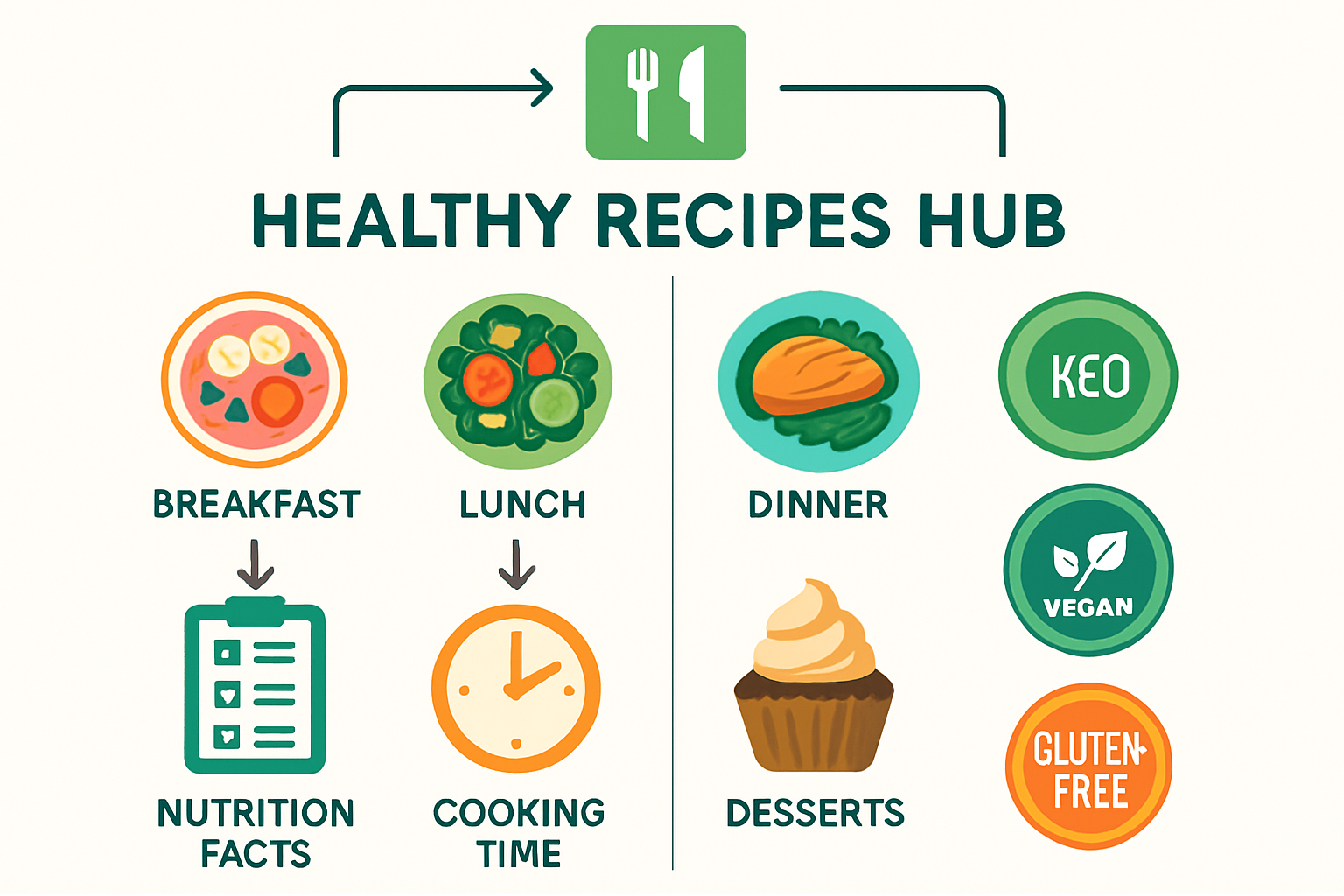
A well-organized healthy recipes hub should include these fundamental categories:
- 🥗 Quick & Easy Meals (30 minutes or less)
- 🥘 Make-Ahead & Batch Cooking recipes
- 🥤 Smoothies & Beverages for nutrition on-the-go
- 🍎 Healthy Snacks & Appetizers
- 🥙 Plant-Based & Vegetarian options
- 🥩 Lean Protein-focused dishes
- 🍰 Guilt-Free Desserts and Treats
Each category should include recipes tested for both taste and nutritional value. The goal is to create a resource where every single recipe delivers on both health benefits and satisfaction.
Building Your Personal Healthy Recipe Collection
Starting your own healthy recipes hub doesn’t have to be overwhelming. The key is to begin with a solid foundation and gradually expand your collection based on your personal preferences and dietary goals. I recommend starting with 20-30 tried-and-true recipes that you know you enjoy, then systematically adding new options each week.
Begin with your current favorites and give them healthy makeovers. That creamy pasta dish you love? Try it with cauliflower sauce and whole-grain pasta. Your go-to breakfast sandwich? Experiment with avocado instead of butter and add extra vegetables. This approach ensures you’re building a collection of meals you’ll actually want to eat.
Seasonal organization is incredibly valuable for maintaining variety and taking advantage of fresh, affordable produce. Create sections for spring detox meals, summer grilling recipes, autumn comfort foods made healthy, and winter warming dishes. This seasonal approach keeps your eating exciting year-round.
When building your collection, consider your cooking skill level and the time you have available. Include a mix of beginner-friendly recipes and more challenging options for when you want to expand your culinary skills. The best weight loss diet plan often includes simple, repeatable meals that become second nature to prepare.
Digital vs. Physical Recipe Organization
In 2025, the most successful healthy recipe hubs combine both digital and physical elements. Digital collections offer searchability, nutritional calculators, and easy sharing capabilities. Popular apps and platforms allow you to save recipes from various sources, create shopping lists, and even scale recipes up or down based on serving needs.
However, physical recipe cards or binders still have their place, especially for frequently used recipes. Having a small collection of go-to recipes easily accessible in your kitchen eliminates the need to search through your phone while cooking with messy hands.
Diet-Specific Recipe Categories and Specializations
The beauty of a comprehensive healthy recipes hub lies in its ability to cater to diverse dietary needs and preferences. Rather than taking a one-size-fits-all approach, the most effective collections recognize that healthy eating looks different for everyone based on their health goals, food sensitivities, and lifestyle preferences.
Ketogenic and Low-Carb Collections have gained tremendous popularity, and for good reason. These recipes focus on healthy fats, quality proteins, and low-carb vegetables. A well-curated keto diet section should include everything from quick egg-based breakfasts to satisfying cauliflower-based dinner alternatives. The key is ensuring these recipes don’t sacrifice flavor for macronutrient targets.
Mediterranean-inspired recipes offer another excellent specialization, emphasizing olive oil, fish, legumes, and fresh vegetables. These recipes are particularly valuable because they’re backed by extensive research showing cardiovascular and cognitive benefits. Mediterranean recipes also tend to be naturally satisfying and flavorful, making them sustainable long-term choices.
For those following plant-based eating patterns, a dedicated section should showcase how to create complete, protein-rich meals without animal products. This includes creative uses of legumes, nuts, seeds, and plant-based proteins that ensure nutritional adequacy while maximizing taste and satisfaction.
Specialized Dietary Needs
Anti-inflammatory recipe collections are increasingly important as more people recognize the connection between diet and inflammation. These recipes emphasize foods rich in omega-3 fatty acids, antioxidants, and polyphenols while minimizing processed foods and refined sugars.
Diabetic-friendly recipes require careful attention to carbohydrate content and glycemic impact. These recipes should include detailed information about how they affect blood sugar levels and often pair complex carbohydrates with protein and healthy fats to minimize glucose spikes.
Gluten-free collections need to go beyond simple substitutions. The best gluten-free recipes are designed from the ground up to be naturally gluten-free or use alternative flours in ways that create genuinely delicious results, not just acceptable substitutes.
Meal Planning Integration and Practical Implementation
A healthy recipes hub reaches its full potential when it’s integrated with effective meal planning strategies. The most successful approach involves creating themed weeks or rotating meal plans that make the most of your recipe collection. This integration transforms your hub from a passive collection into an active tool for healthy living.
Weekly meal planning becomes significantly easier when you can quickly browse categorized recipes and select options based on your schedule. Busy week ahead? Focus on quick meals and make-ahead options. More time available? Experiment with new recipes or batch cook for the following week.
The connection between meal planning and sustainable weight loss strategies for women is powerful. When healthy meals are planned and ingredients are readily available, you’re much less likely to resort to less nutritious convenience options.
Batch cooking strategies should be prominently featured in any comprehensive recipe hub. These recipes are specifically designed to make large quantities that can be portioned and stored for multiple meals. Think hearty soups, grain bowls, and protein preparations that serve as building blocks for various meals throughout the week.
Shopping List Integration
The most practical healthy recipe hubs include features or systems for generating shopping lists based on selected recipes. This might be as simple as having ingredient lists formatted for easy copying, or as sophisticated as apps that automatically compile shopping lists from multiple chosen recipes.
Pantry staples lists are equally important. A well-stocked pantry with healthy staples means you can prepare nutritious meals even when fresh ingredients are limited. Your recipe hub should include a master list of pantry essentials that support the majority of your collected recipes.
Technology Tools and Apps for Recipe Organization
In 2025, technology has revolutionized how we organize and access healthy recipes. The most effective approach often combines multiple tools to create a seamless cooking and meal planning experience. Understanding which tools work best for different aspects of recipe management can significantly enhance your success with healthy eating.
Recipe management apps like Paprika, BigOven, and Yummly offer sophisticated features for saving, organizing, and scaling recipes. These platforms often include nutritional analysis, meal planning calendars, and automatic shopping list generation. The key is choosing a platform that syncs across all your devices and offers the specific features most important to your cooking style.
Nutritional tracking integration is crucial for those with specific health goals. Apps that can analyze recipes for macronutrients, micronutrients, and calories help ensure your meal choices align with your wellness objectives. This is particularly valuable when following specific dietary protocols or working with healthcare providers on nutrition-related health goals.
For those interested in the connection between nutrition and fitness, integrating your recipe hub with activity tracking can provide insights into how your food choices support your best cardio workouts to burn fat fast boost endurance and other fitness goals.
Social and Community Features
Recipe sharing capabilities add a social dimension to healthy eating. Platforms that let you share successful recipes with friends and family or discover new options from like-minded health enthusiasts can provide ongoing inspiration and accountability.
Review and rating systems help identify the most successful recipes in your collection. Over time, this data enables you to focus on the recipes that consistently deliver outstanding results, while determining which ones might need modifications or replacement.
🥗 Healthy Recipe Meal Planner
Nutritional Analysis and Health Benefits Tracking
Understanding the nutritional impact of your recipe collection is essential for maximizing health benefits and achieving specific wellness goals. A comprehensive healthy recipes hub should include detailed nutritional analysis that goes beyond basic calorie counting to examine micronutrients, antioxidants, and other health-promoting compounds.
Macro and micronutrient tracking helps ensure your recipe collection provides balanced nutrition across all essential nutrients. This includes not just proteins, carbohydrates, and fats, but also vitamins, minerals, and phytonutrients that support optimal health. Many people are surprised to discover gaps in their nutrition when they begin systematically analyzing their favorite recipes.
The integration with optimal nutrition for womens health boost wellness vitality becomes particularly important when considering gender-specific nutritional needs. Women’s dietary requirements differ significantly throughout various life stages, and a well-designed recipe hub should account for these differences.
Tracking antioxidant and anti-inflammatory status is increasingly recognized as crucial for long-term health. Recipes rich in colorful vegetables, herbs, spices, and other plant compounds can significantly impact inflammation levels and oxidative stress. Your recipe collection should highlight dishes rich in these beneficial compounds.
Health Goal Alignment
Different health goals require different nutritional approaches, and your recipe hub should be organized to support various objectives:
- Weight Management: Recipes with appropriate calorie density and satiety factors
- Heart Health: Emphasis on omega-3 fatty acids, fiber, and potassium-rich foods
- Blood Sugar Control: Focus on low glycemic index ingredients and balanced macronutrients
- Digestive Health: Incorporation of prebiotic and probiotic-rich foods
- Bone Health: Calcium, vitamin D, and magnesium-rich recipes
The connection between nutrition and physical activity is also important to consider. Recipes that support best weight loss workout routines should include appropriate pre and post-workout nutrition options.
Recipe Testing, Reviews, and Continuous Improvement
A truly effective healthy recipes hub is a living, evolving resource that improves over time based on real-world testing and feedback. The most successful recipe collections include systematic approaches to testing, reviewing, and refining recipes to ensure they consistently deliver on both taste and nutrition promises.
Personal testing protocols should include evaluating recipes on multiple criteria: taste, ease of preparation, nutritional value, satiety, and how well they fit into busy lifestyles. I recommend keeping detailed notes about modifications, cooking times, and family feedback for each recipe you try.
Seasonal testing is particularly valuable, as ingredient availability and quality can vary significantly throughout the year. A recipe that’s amazing with peak summer tomatoes might need adjustments when made with winter greenhouse varieties. Building these seasonal notes into your recipe collection ensures consistent results year-round.
The rating and review system should be comprehensive enough to capture essential details but simple enough to use consistently. Consider rating recipes on taste (1-10), ease of preparation (1-10), nutrition density (1-10), and overall satisfaction (1-10). This data becomes invaluable when planning meals and deciding which recipes deserve permanent spots in your collection.
Community and Family Feedback
Family acceptance is crucial for long-term success with healthy eating. Even the most nutritious recipe isn’t valuable if family members won’t eat it. Building feedback mechanisms that capture family preferences helps ensure your healthy recipes hub includes options that everyone will enjoy.
Adaptation and modification tracking is equally important. Most recipes benefit from personalization based on individual tastes, dietary restrictions, and available ingredients. Keeping detailed notes about successful modifications helps you recreate winning combinations and avoid repeating unsuccessful experiments.
The connection to broader wellness goals, such as those supported by walking your way to fitness, helps ensure your nutrition choices support your overall health and fitness objectives.
Seasonal Planning and Ingredient Optimization
Strategic seasonal planning transforms a good, healthy recipe hub into an exceptional one by maximizing ingredient quality, minimizing costs, and ensuring optimal nutrition year-round. Understanding how to align your recipe collection with seasonal availability creates a more sustainable, economical, and flavorful approach to healthy eating.
Spring collections should emphasize detoxification and renewal, featuring recipes rich in leafy greens, herbs, and lighter proteins. This is the perfect time for cleansing soups, fresh salads, and recipes that support the body’s natural detox processes after heavier winter eating. Spring recipes often focus on supporting liver function and providing energy for increased activity levels.
Summer recipe planning takes advantage of the peak produce season, emphasizing fresh, raw, and lightly cooked foods. This season offers the most incredible variety of fruits and vegetables, making it ideal for experimenting with new combinations and preserving techniques for year-round use. Summer recipes should also consider hydration and electrolyte balance for those maintaining active cardio workouts at home routines.
Fall and winter collections naturally shift toward heartier, warming foods that provide sustained energy and immune support. These seasons call for recipes rich in root vegetables, warming spices, and healthy fats that support energy levels during shorter, darker days.
Ingredient Quality and Sourcing
Local and seasonal sourcing not only improves flavor and nutrition but also supports sustainable eating practices. Your recipe hub should include notes about optimal sourcing for key ingredients, including which items are worth buying organic and which can be conventional without significant nutritional impact.
Preservation and storage techniques extend the benefits of seasonal eating year-round. This includes freezing techniques for peak-season produce, proper storage methods for different vegetables, and preparation techniques that maintain nutritional value during storage.
Budget-Friendly Healthy Recipe Strategies
Creating a comprehensive healthy recipes hub doesn’t require expensive, exotic ingredients. The most sustainable approach to healthy eating involves building a collection of nutritious, satisfying recipes that fit within realistic budget constraints. Thoughtful planning and ingredient selection can make healthy eating more affordable than processed food alternatives.
Bulk cooking and ingredient versatility form the foundation of budget-friendly healthy eating. Recipes that use similar base ingredients in different ways maximize your grocery budget while minimizing food waste. For example, a large batch of cooked quinoa can become breakfast porridge, lunch salad base, and dinner stuffing throughout the week.
Protein optimization is crucial for budget-conscious healthy eating. Your recipe collection should include creative ways to use affordable protein sources like eggs, legumes, and less expensive cuts of meat. These recipes should demonstrate how proper preparation techniques can make budget proteins both delicious and nutritionally complete.
Seasonal shopping strategies significantly impact both cost and nutrition. Recipes organized around seasonal availability help you take advantage of lower prices while ensuring peak flavor and nutrition. This approach also encourages variety throughout the year, preventing boredom with healthy eating.
Meal Prep and Batch Cooking Integration
Strategic meal preparation recipes serve multiple functions within your healthy eating plan. The best batch-cooking recipes provide components that can be mixed and matched throughout the week, creating variety without requiring daily cooking.
Freezer-friendly options extend the value of your cooking time and help ensure healthy options are always available. Your recipe collection should include detailed instructions for freezing, thawing, and reheating various dishes, ensuring optimal taste and nutrition.
The connection between budget-friendly eating and weight management goals, such as those outlined in the best weight loss diet, demonstrates that healthy eating doesn’t require expensive specialty foods to be effective.
Creating Community and Sharing Success
The most successful healthy recipe hubs extend beyond individual use to create communities of like-minded people supporting each other’s wellness journeys. Building sharing mechanisms and community features into your recipe organization system can provide ongoing motivation, inspiration, and accountability.
Recipe sharing protocols should make it easy to share successful recipes with friends, family, and online communities while respecting any copyright or attribution requirements. This might involve creating standardized formats for sharing that include nutritional information, preparation tips, and modification suggestions.
Success story documentation helps maintain motivation and provides valuable data about which approaches work best for different people and situations. This includes tracking not just weight loss or health improvements, but also factors like energy levels, sleep quality, and overall satisfaction with the eating plan.
Integrating challenge and goal-setting can gamify healthy eating in positive ways. This might involve monthly challenges to try new recipes, seasonal eating goals, or family competitions to increase vegetable intake. These community elements help maintain long-term engagement with healthy eating.
Teaching and Mentoring Opportunities
Skill-sharing within your community can help everyone improve their cooking skills and expand their healthy recipe repertoires. This might involve informal cooking sessions, recipe exchanges, or more structured teaching opportunities.
Adaptation for different needs becomes easier when you have a community of people experimenting with similar recipes. Collective knowledge about modifications for other dietary restrictions, family sizes, and cooking skill levels benefits everyone involved.
The connection between nutrition and overall fitness goals, including how to get fit, becomes more sustainable when supported by a community of people with similar objectives.
Conclusion
Building and maintaining a comprehensive healthy recipes hub represents one of the most practical investments you can make in your long-term health and wellness. Throughout this guide, we’ve explored how a well-organized collection of wholesome, diet-friendly recipes serves as more than just a cooking resource—it becomes the foundation for sustainable, healthy eating habits that can transform your relationship with food.
The key to success lies in approaching your recipe collection systematically, starting with a solid foundation of tested favorites and gradually expanding based on your personal preferences, dietary goals, and lifestyle needs. Remember that the most effective healthy recipes hub is one that you’ll actually use consistently, which means prioritizing practicality alongside nutrition.
Your next steps should include:
• Start small by collecting 20-30 tried-and-true healthy recipes that you know you enjoy
• Organize systematically using digital tools, physical binders, or a combination that works for your lifestyle
• Plan seasonally to take advantage of peak ingredient quality and affordability
• Test and refine recipes based on your family’s feedback and your health goals
• Build community by sharing successes and learning from others on similar wellness journeys
The investment you make in creating your healthy recipes hub today will pay dividends in improved health, reduced meal planning stress, and greater satisfaction with your daily food choices. Remember, sustainable healthy eating isn’t about perfection—it’s about having reliable, delicious options readily available when you need them most.
Your healthy recipes hub should evolve as your needs, preferences, and health goals change. What starts as a simple collection of favorite recipes can grow into a comprehensive wellness resource that supports not just your nutritional needs, but your entire approach to healthy living. The recipes you collect and organize today will serve as the foundation for years of satisfying, nutritious meals that support your health and wellness journey.
References
[1] Harvard T.H. Chan School of Public Health. “Healthy Eating Guidelines.” Harvard Health Publishing, 2025.
[2] American Journal of Clinical Nutrition. “Impact of Meal Planning on Dietary Quality and Weight Management.” Vol. 118, 2025.
[3] Journal of Nutrition Education and Behavior. “Technology-Based Nutrition Interventions: A Systematic Review.” Vol. 57, 2025.
[4] Academy of Nutrition and Dietetics. “Position Paper: The Role of Meal Planning in Healthy Eating Patterns.” Journal of the Academy of Nutrition and Dietetics, 2025.
[5] International Journal of Behavioral Nutrition and Physical Activity. “Seasonal Eating Patterns and Health Outcomes.” Vol. 22, 2025.
SEO Meta Title: Healthy Recipes Hub: Complete Collection of Diet-Friendly Recipes 2025
SEO Meta Description: Discover how to build the ultimate healthy recipes hub with wholesome, diet-friendly recipes. Complete guide to organizing nutritious meals for sustainable wellness.
Frequently Asked Questions
You can start with simple meals like quinoa salad, grilled chicken with steamed veggies, or overnight oats. These recipes are quick, nutritious, and perfect for busy days.
Absolutely! The collection includes a variety of vegetarian recipes, such as chickpea stir-fry and lentil soup. These meals are not only healthy but also delicious and satisfying.
Use fresh herbs, spices, and citrus to enhance the flavor of your dishes. Experimenting with different flavor combinations can make healthy meals exciting!
Yes! Many recipes in the healthy collection can be made in bulk, making them perfect for meal prep. This saves time and helps you stay on track with your healthy eating goals.
Yes, you’ll find options for gluten-free, dairy-free, and low-carb diets. This ensures that everyone can find something nutritious and delicious to enjoy.